|
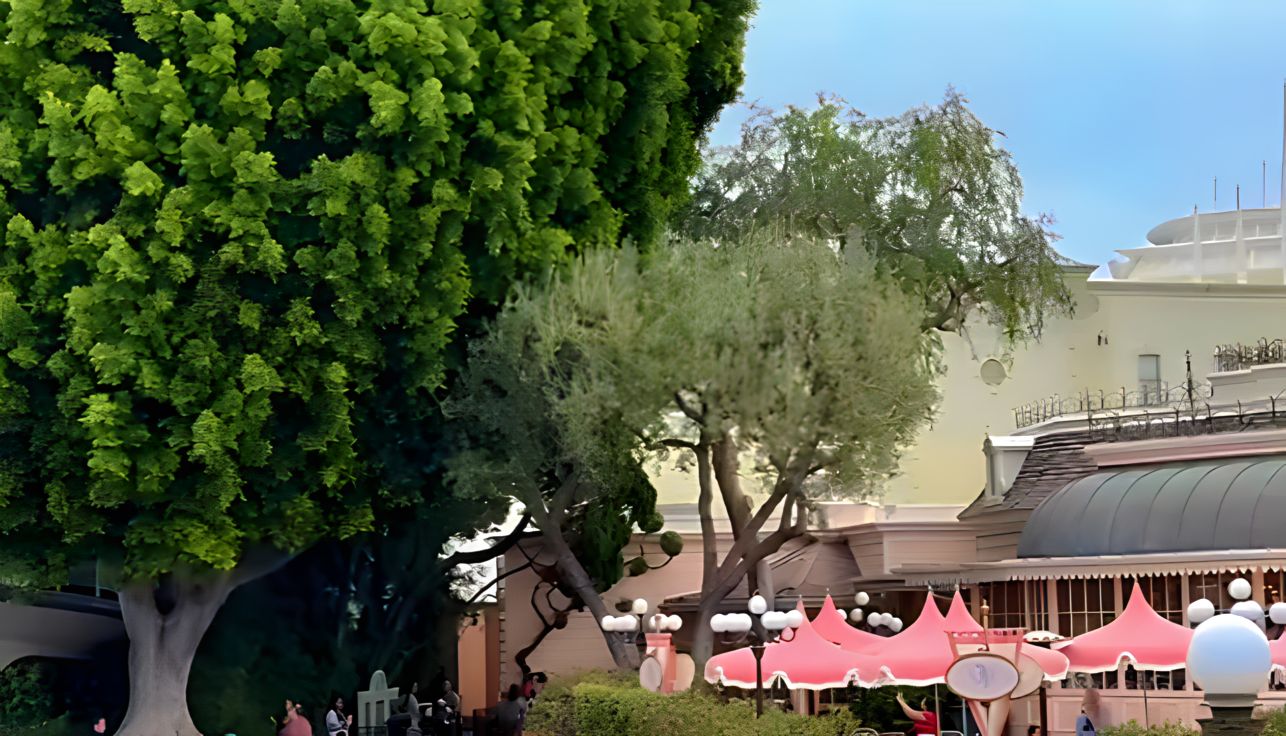
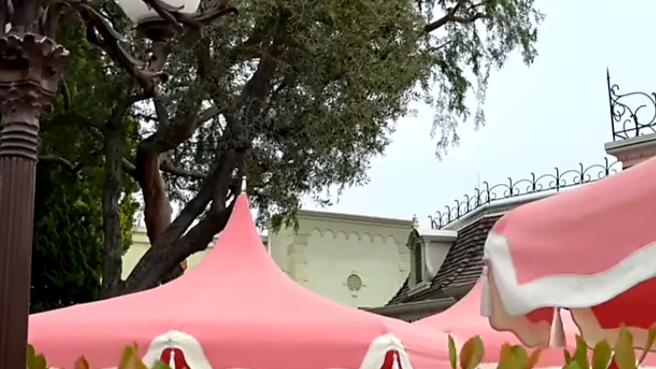
At first glance, the Coca-Cola snack bar tucked into the corner of Main Street, U.S.A. might seem like just a cozy spot to grab a hot dog and a cold drink—but for those who linger, it’s a hidden gem steeped in Disney history, turn-of-the-century charm, and even a touch of magic. Let’s take a stroll back in time and uncover the sweet, sparkling nostalgia of Refreshment Corner—a Main Street classic that has quietly delighted guests since opening day in 1955. Walt’s Favorite Spot to Watch the World Go By Did you know that Walt Disney himself often visited this very corner of the park? Sometimes, he’d grab a Coca-Cola and sit on the nearby veranda, just watching guests enjoy Disneyland. He loved people-watching, especially in the late afternoon when the sun cast a golden glow over Main Street. For Walt, this little corner was more than a snack stop—it was a front-row seat to joy. A Little Ragtime With Your Coke One of the most charming and often-overlooked Disneyland traditions began right here: the Coke Corner piano player. For decades, talented musicians like Ragtime Robert have played toe-tapping tunes for passersby, sometimes taking special requests or improvising on the spot. You can still catch live piano performances most afternoons. It’s the kind of spontaneous magic that modern theme parks rarely offer—and it’s pure Disneyland. At one time, the piano was wheeled outside during the day, adding a burst of energy and music to the street. Today, it rests under a striped canopy, ready to deliver ragtime melodies that echo with memories. A Taste of Turn-of-the-Century Americana Refreshment Corner isn’t just a snack bar—it’s a living postcard from the early 1900s. From the red and white décor to the iron café chairs and vintage Coca-Cola logos, every detail is meant to evoke the classic soda fountains of a bygone era. Back in Walt’s childhood, going out for a soda was an event in itself. It was where young couples flirted, friends gathered, and memories were made. Walt brought that feeling into his park—right down to the swirl of the signage and the fizz of the fountain. A Sponsorship that Sparkled from the Start Coca-Cola has been part of Disneyland since day one. In fact, it was one of the park’s original corporate sponsors, standing beside Walt when others doubted the feasibility of his dream. More than just a branding deal, the partnership reflected mutual trust. Coca-Cola believed in Disneyland—and that loyalty lives on in this corner of the park, where every fizzy sip carries the legacy of Opening Day. Romance, Music, and Vintage Charm Over the years, Coke Corner has quietly become a place of sentimental significance for many Disney fans. It’s a popular spot for proposals, anniversary photos, or simply taking in the sights and sounds of Main Street. During events like Dapper Day, couples in vintage clothes often gather here, sipping sodas and dancing to the live music. There’s something about this spot that brings people closer—to each other, and to the past. Look Closely—You Might See... If you're the observant type, don’t miss these lovely details: Old-style Coca-Cola syrup bottles in the windows, with antique labels and nostalgic flair Seasonal floral arrangements on the ironwork balcony above—watch how they change for fall, Christmas, or spring The etched glass signs bearing Coca-Cola’s timeless script, designed to blend perfectly with the turn-of-the-century aesthetic of Main Street A Little Light with a Lot of Heart: The Dual-Colored Light Bulb
As you sip your Coke and soak in the atmosphere at Refreshment Corner, take a peek at the light bulb column along the edge of the building—right near the Coca-Cola sign. If you look closely, you’ll spot something odd: one light bulb is half red and half white. Why? It’s no accident—and it was Walt Disney’s personal solution to an off-center problem. The story goes that when Imagineers strung alternating red and white light bulbs around the canopy of Refreshment Corner, they found they had an odd number of sockets. The pattern would end incorrectly. When Walt noticed it, he didn’t ask them to redo the wiring—instead, he suggested painting one bulb half red and half white to keep the rhythm intact. That humble little bulb is still there today. It’s more than just a clever fix—it’s a glowing symbol of Walt’s belief that “people can feel perfection even if they don’t consciously notice it.” And it’s a lovely reminder that no detail was ever too small when it came to creating the magic of Disneyland. Where to Spot It: Look up at the Refreshment Corner marquee, near the left side as you face the building from the hub. The dual-colored bulb is nestled among the others, quietly carrying on Walt’s legacy. Recreate a Bit of That Magic If you ever visit Disneyland, try this: Order a classic Coca-Cola in a paper cup Find a seat at one of the small round tables under the striped awning Listen to the piano as it dances through familiar melodies Let yourself imagine you’re back in 1955, and Walt is just a few steps away—smiling at what he created Final Sip The Refreshment Corner isn’t a thrill ride or a ticketed attraction. But like much of Main Street, it’s a reminder that magic isn’t always loud. Sometimes, it’s in the little things: a cold Coke on a warm day, the sound of a ragtime piano, and the sense that you’ve stepped into a world that never really disappeared—it’s just waiting for you to sit down and enjoy the view. Today, it’s one of those “Did you know?” stories that Disney historians love to tell—a reminder that Disneyland’s early days were full of trial, error, and bold experiments. There are some vintage Disney finds that immediately spark a flood of memories — the kind that transport you right back to Main Street, U.S.A. That’s exactly what happened when I spotted a bright yellow vintage toy vehicle, the Flying Dutchman, sitting quietly on an antique store shelf. At first glance, I knew it was destined to become part of my Main Street vignette project. Main Street Vehicles & Childhood Nostalgia Growing up just miles from Disneyland, the Main Street vehicles have always held a special place in my heart. The yellow horseless carriage, the fire truck, the double-decker Omnibus — each one was a moving piece of Walt’s original vision, charming guests as they rolled past Sleeping Beauty Castle or Walt’s apartment above the Firehouse. As soon as I saw the Flying Dutchman, my imagination went straight to the 1990s Disney sing-along VHS “Disneyland Fun”. If you remember that tape, you’ll recall Mary Poppins and Bert riding down Main Street in their Jolly Holiday outfits — parasol, striped jacket, carousel horses, and all. I couldn’t help but picture them seated in this little car, ready for a magical spin past the Emporium. A Vehicle Fit for a Jolly Holiday The Flying Dutchman toy is built almost exactly like a Disneyland vehicle, with its yellow body, black fenders, and open seating. It feels like a smaller cousin to the park’s horseless carriage. I don’t plan to add a canopy — instead, I’ll leave it convertible style, making it perfect for Mary and Bert to hop right in. With a little paint and detailing, I can add the Disneyland touch ups. It’s amazing how an antique store find can suddenly tie together decades of nostalgia, film memories, and park history all in one. Why This Treasure Matters For me, these kinds of discoveries are more than collectibles. They’re memory triggers — physical reminders of my own childhood trips, of VHS tapes worn thin from rewatching, and of Walt Disney’s ability to blend fantasy with everyday Main Street charm. Soon, this Flying Dutchman will become a centerpiece in my Technicolor Memories collection, displayed right alongside other Main Street treasures. And someday, I hope to place my very own Mary Poppins and Bert dolls inside, recreating that unforgettable “Jolly Holiday” moment for my blog, YouTube channel, and for anyone else who remembers the magic. Honoring the Past: The Cigar Store Indian and Disneyland’s Living Memory on Main Street, U.S.A.11/10/2025
“It’s still here. Just waiting quietly, like it always has.” This July, Disneyland quietly unveiled a new bronze plaque at the base of one of Main Street’s most enduring — and often overlooked — figures: the Cigar Store Indian statue. The plaque’s installation was part of Disneyland’s 70th anniversary commemorations, a subtle yet deeply significant act of preservation that speaks volumes about the park’s evolving relationship with nostalgia, history, and cultural context. For decades, this statue has stood silently beneath the eaves of Main Street, U.S.A., near the location of the former Tobacconist shop. While many guests may walk right past it today, those who’ve been visiting since the early years remember when it was more than just a fixture — it was a symbol of a very different time in Disney and American storytelling. A Sign of the Times Carved wooden cigar store Indian figures once dotted towns across America, used as visual markers for tobacco shops in an era when literacy rates were low. Much like the iconic barber pole, these statues helped shopkeepers advertise their wares to a public who often relied on symbols rather than signage. Disneyland’s version was never meant to mock or stereotype, but to faithfully replicate the visual language of a turn-of-the-century American town — which is precisely what Main Street, U.S.A. was designed to do. Still, times change. While the statue remained in place even after the tobacco shop closed in 1991, it gradually became a quiet relic of a bygone era, prompting conversations about evolving cultural representation and the role of historical artifacts in modern spaces. A Plaque with Purpose
The new plaque, installed at the statue’s base, reads: NEW CENTURY HISTORICAL SOCIETY CIGAR STORE INDIAN Carved wooden cigar store Indian sculptures were common in towns across the United States. Shops used emblems and icons like spinning barber poles to advertise their wares and services to the largely illiterate public. Now considered a form of folk art, this statue has stood on Main Street since its early days, advertising the tobacco shop once located here. This marker, though modest, does something powerful: it allows the statue to remain visible while reframing it with historical clarity. It doesn’t glorify or erase — it contextualizes. And in doing so, it reminds us that Main Street was never meant to be perfect. It was meant to be remembered. Why This Matters for Disney Nostalgia For many of us, nostalgia is more than aesthetics. It’s the emotional connection to places and objects that remind us of family vacations, childhood wonder, and the timeless charm of Disneyland in its earliest decades. The Cigar Store Indian may not be everyone’s favorite landmark. But for those of us who grew up visiting the park in the 60s, 70s, or 80s — when that statue stood just outside the Tobacconist’s shop window — its presence feels like a piece of time held still. This plaque doesn’t just mark the history of a statue. It marks Disney’s evolving willingness to preserve memory with meaning. Rather than removing a controversial figure or leaving it unexplained, Disney chose a third path: to educate, reflect, and honor the full picture of the past. In Closing: A Living Archive Disneyland has always been a place of stories — not just those told on rides, but the quiet stories whispered from windowsills, plaques, bricks, and statues. The Cigar Store Indian now carries a new chapter. One that reflects not only the past but how we choose to remember it. So next time you walk down Main Street, pause for a moment beside that statue. Look down. Read the plaque. And remember — Disneyland isn’t just preserving nostalgia… it’s preserving conversation. Every fall, Main Street, U.S.A. at Disneyland transforms into a glowing harvest wonderland. For those of us who grew up walking this street, the memories of Halloween Time are more than decorations — they’re part of Disneyland nostalgia itself. Did you know there are over 300 individually hand-carved pumpkins decorating Main Street? Each one is unique, with no two alike. Perched on windowsills, nestled above shop doors, and tucked into corners of Victorian architecture, these pumpkins make Main Street feel like it has dressed up for Halloween right along with the guests. Vintage Disneyland Charm When Walt Disney first designed Main Street, U.S.A., he wanted it to feel like the kind of small-town welcome he remembered from his own childhood. During Halloween Time, that vision gets “plussed” with the magic of fall — lanterns glowing warmly at twilight, lampposts wrapped with garlands, and the pumpkins smiling down from every balcony. For those of us who carry vintage Disneyland in our hearts, it’s not just about the giant Mickey pumpkin at Town Square. It’s about pausing to notice all the smaller faces above the candy shop or tucked near the cinema marquee. These details bring back the kind of cozy, golden-hour feeling that Disneyland has always been known for. Lost Disneyland Memories As a child of the 1970s, Halloween looked a little different in the park. The big seasonal overlays we see today weren’t part of the lineup back then. But Main Street has always had its own kind of festive atmosphere. Now, seeing these 300+ pumpkins makes me think of what Walt might have added had he been here to walk down Main Street in the fall. Each pumpkin feels like a storyteller — quirky, silly, or mischievous — almost like Main Street’s residents carved them for us. It’s a reminder that Disneyland nostalgia isn’t just about rides; it’s about the little details you remember years later. Testimony in the Details For me, those smiling pumpkins are more than decorations. They remind me that God is in the details — in memory, in beauty, and even in hand-carved joy. They testify that every season, no matter how fleeting, carries its own kind of wonder worth noticing. If you’re visiting Disneyland during Halloween Time, take a slow walk down Main Street, U.S.A. Don’t just rush toward the castle. Look up. Count how many pumpkins you can find. Let the faces remind you of your own favorite fall memories. Because here, in the glow of lantern light and carved smiles, Walt Disney history and timeless nostalgia meet.
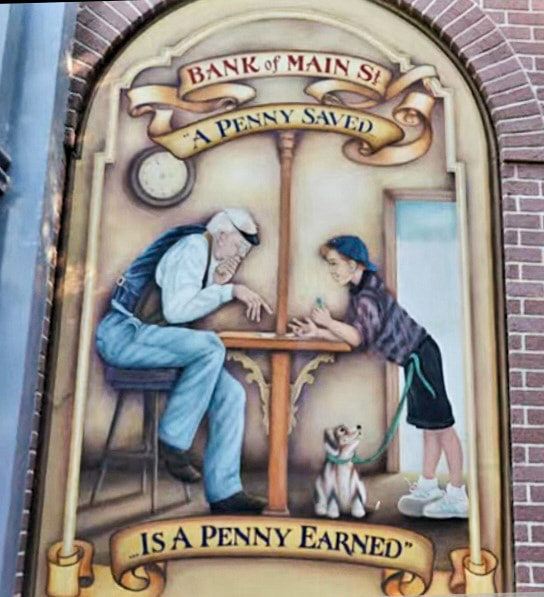
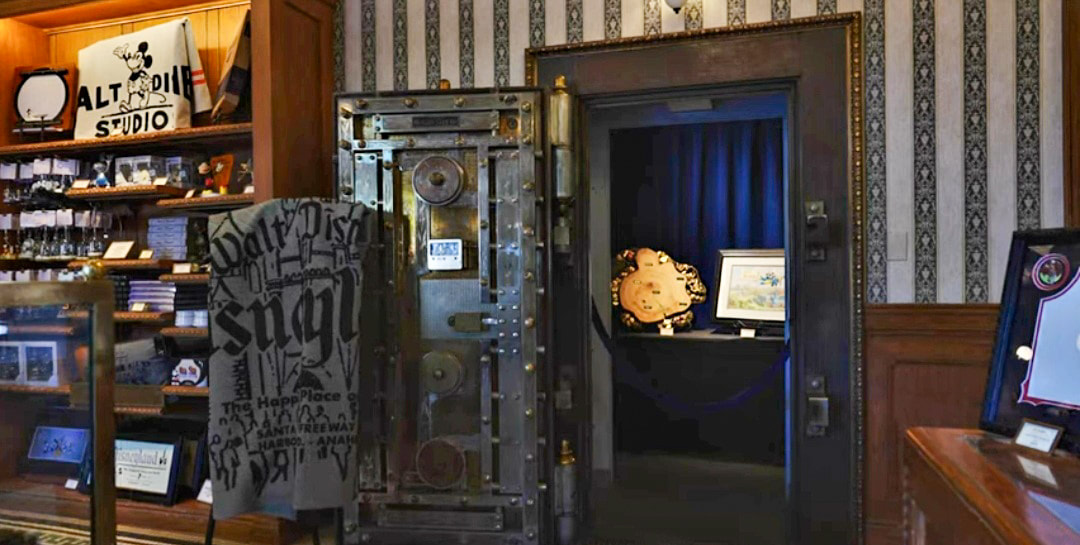
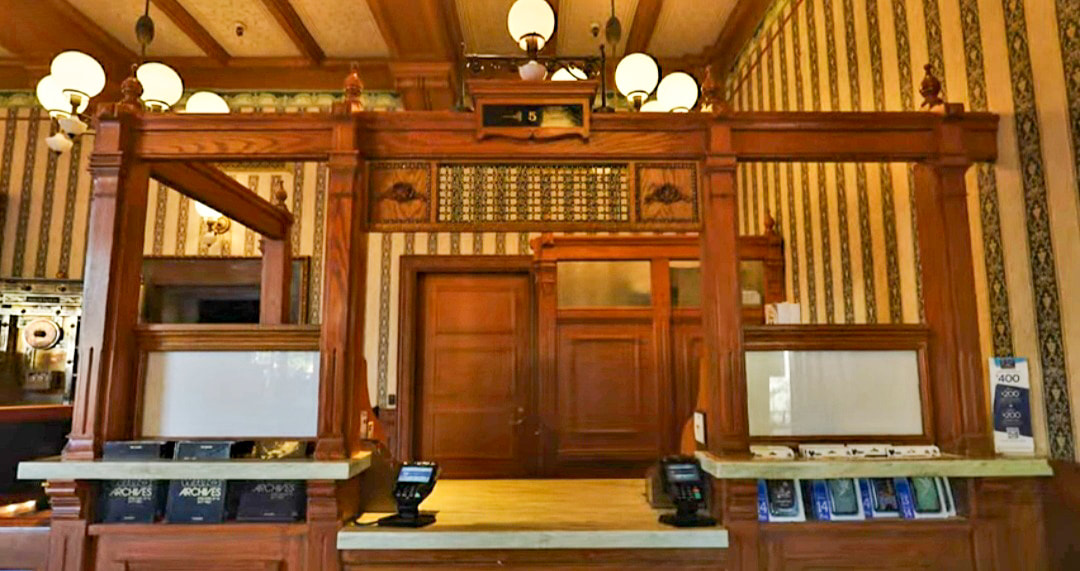
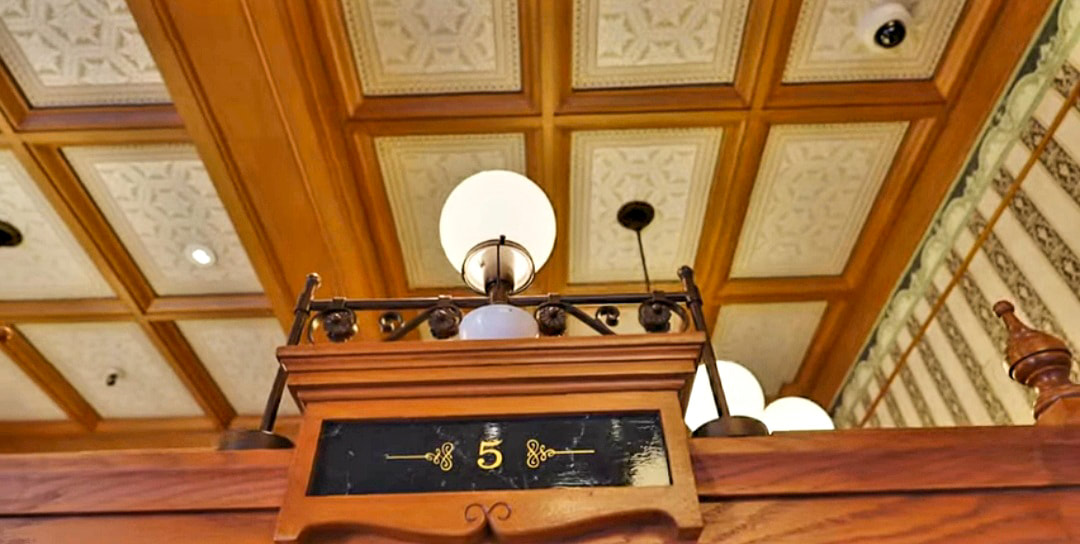
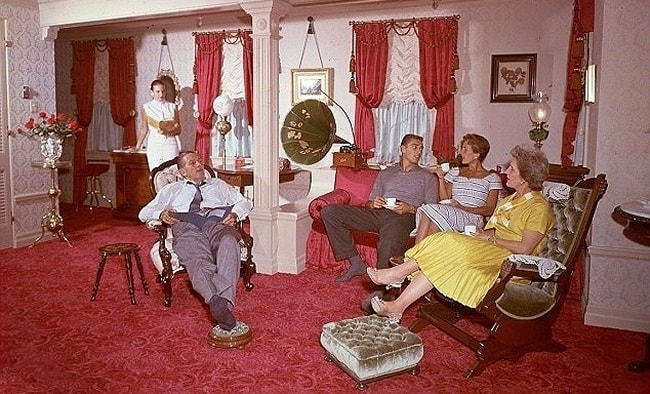
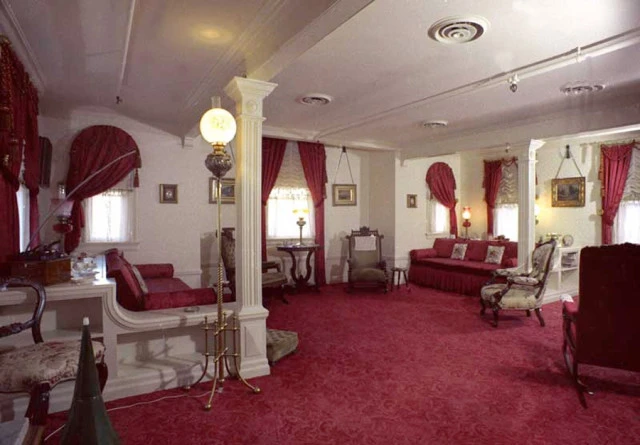
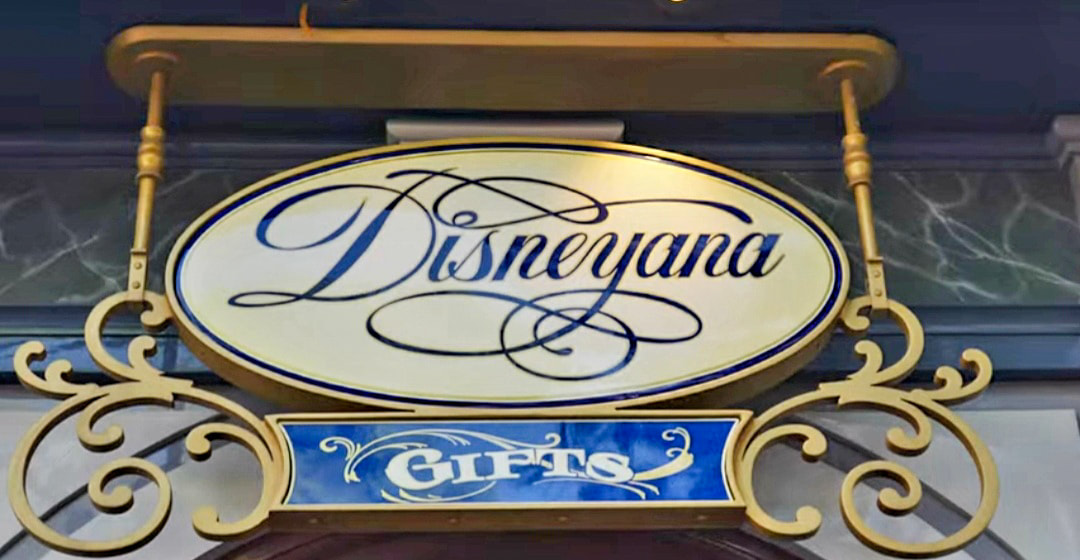
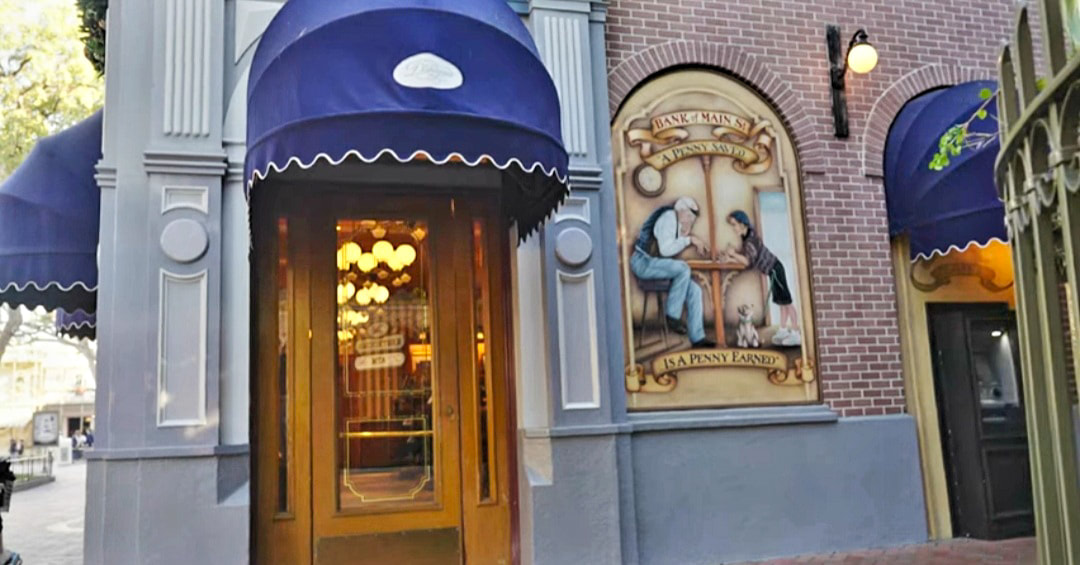
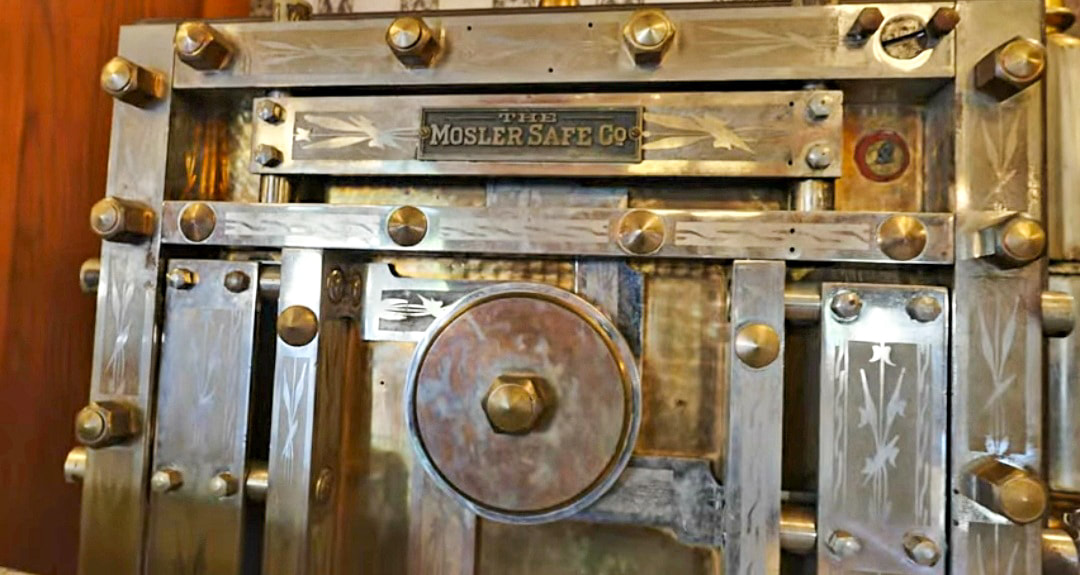
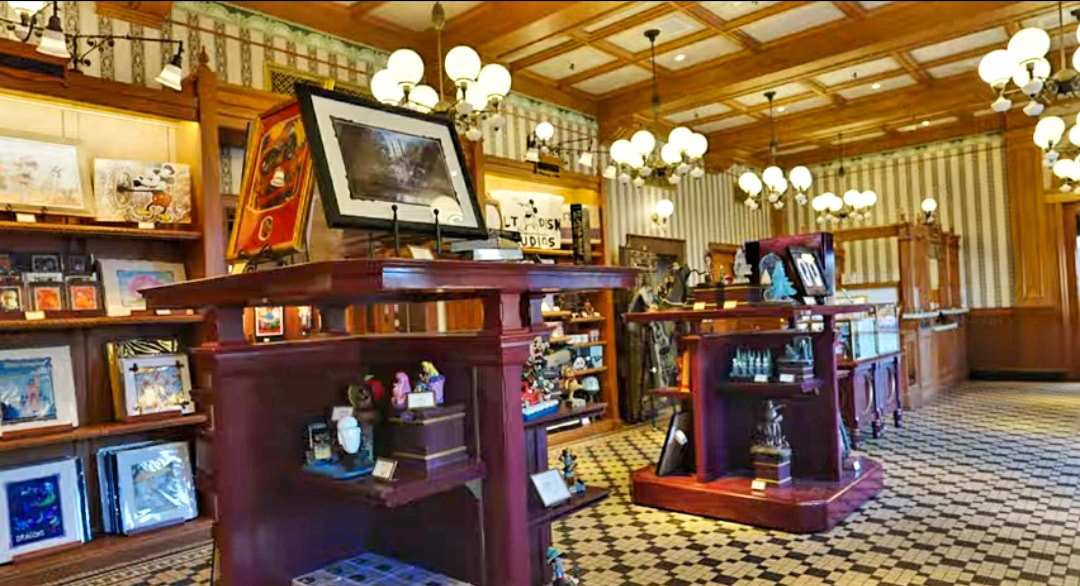
Disneyana is merchandise officially licensed by the Walt Disney company which could be theme park souvenirs, books, toys or even artwork. But this location wasn't always the home to collectible memorabilia inside of Disneyland. In 1955 when the park opened this was a bank. The Disneyland Park map listed this as a bank and eventually would also become an annual pass center. Guests could do banking at Disneyland with Bank of America, which goes back to Snow White as the corporation's original banking partner. So Bank of America got a location inside of Main Street USA as an official sponsor and a financial partner with Disney. Today you can still see the Vault inside, as well as the teller station where bank tellers used to handle checks, deposits, and withdrawals. The corner location would become Disneyana, a sort of a merger between art gallery and retail shop.
|
Welcome to a place where Disney nostalgia meets storytelling magic. I create uplifting, history-rich content celebrating Walt Disney’s original vision and the golden age of Disneyland. From forgotten dining spots to untold stories of Walt’s creative team, this blog is a tribute to imagination, innocence, and timeless joy.
Rediscover wonder with me — one story at a time. Amazon storefront Categories
All
Archives
May 2026
|