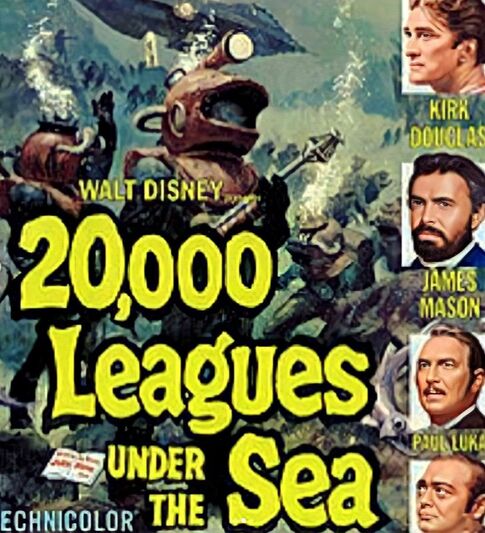
 In 1954, the Disney studio decided to undertake a huge and inevitably expensive project - “20,000 Leagues Under the Sea.” Jules Verne’s classic tale of adventure seemed just the kind of project for the Disney studio to put on the silver screen. During the filming, Walt called up an old friend of his, Art Linkletter, asking if he wanted to visit the studio to watch them film. “Walt called me,” Linkletter said, “and he said, ‘How would you like to see a fight between a submarine and a monster squid?’ So I went over to the studio with Walt and saw the awesome battle!” 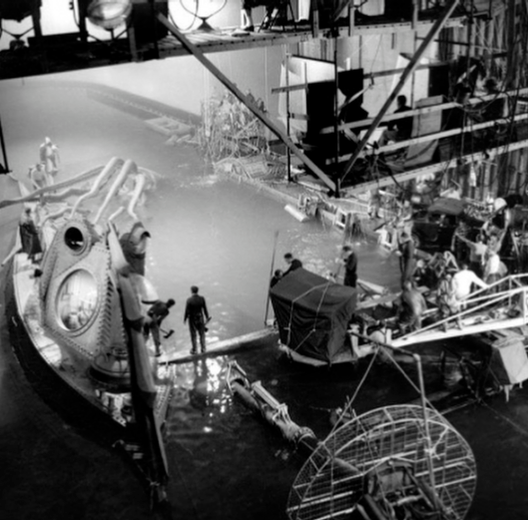 The scene was expensive but would be one of the must pulse pounding moments in the film. In it, the giant squid has got its tentacles around the surfaced Nautilus, which is bobbing upon the stormy waters like a cork. Meanwhile, Captain Nemo (played by James Mason), Ned Land (played by Kirk Douglas), and the rest of the crew, climb onto the deck armed with harpoons and hatchets in a scene that would put audiences on the edges of their seats. The entire scene was filmed in an incredibly large water tank on the studio’s sound stage. It took 60 technicians to operate the numerous pullies and cables required to control the movements of the raging latex squid. Meanwhile wind machines and wave makers conspired to create a tempest in the middle of the Disney studio. That single scene alone cost a quarter of a million between construction and shooting. 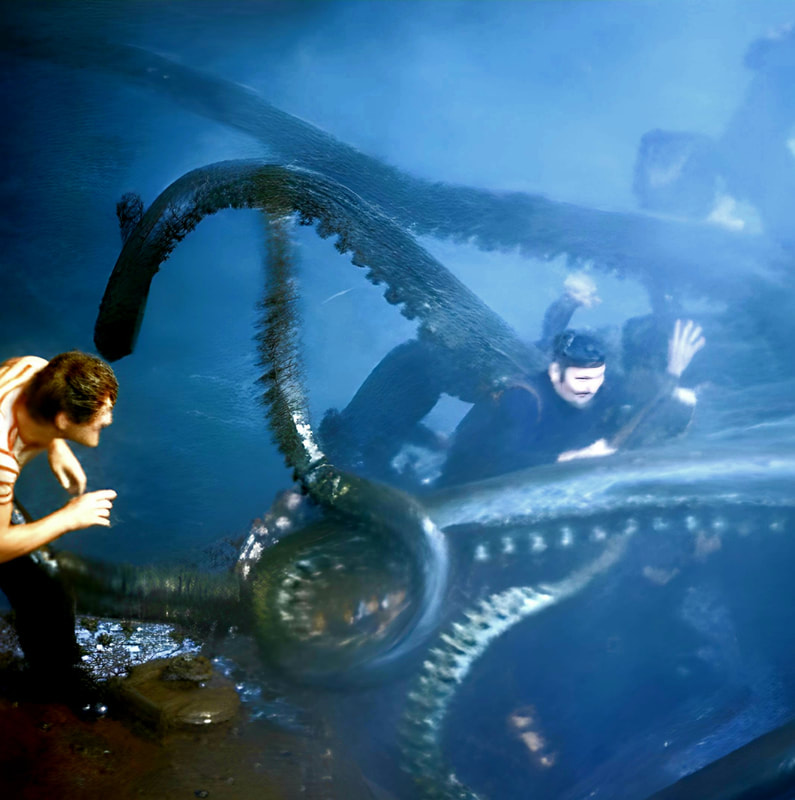 “The scene took some time to film,” Linkletter continued. “There were closeups and retakes and finally the director came and said, ‘I think we got it.’ But Walt said, ‘The action on those tentacles wasn’t right. I could see the wires.’ So they had to rebuild the set and shoot the entire sequence again another day at enormous additional expense. Walt wouldn’t hesitate to spend the money to get it right. He was a fanatic about quality.”
In the end, it took $4,000,000 dollars to make the entire film. They had to delay the Broadway premiere because Walt wanted that single scene re-shot. But in the end, no one could see a hint of the cords and the movie, after premiering on December 23rd, 1954, amazingly quickly recovered its cost. All because Walt wanted quality. 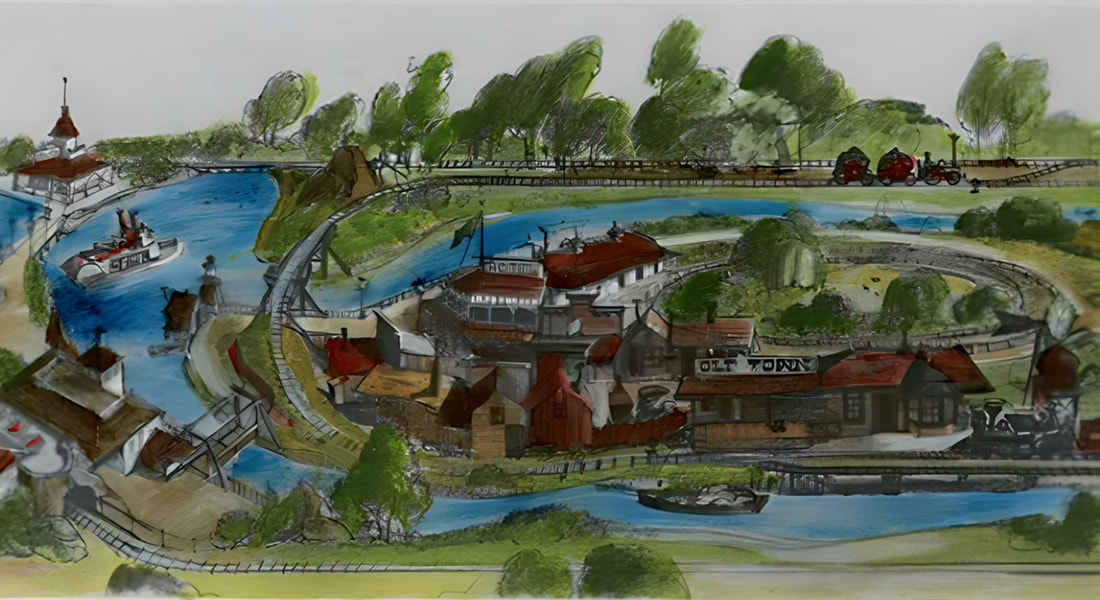 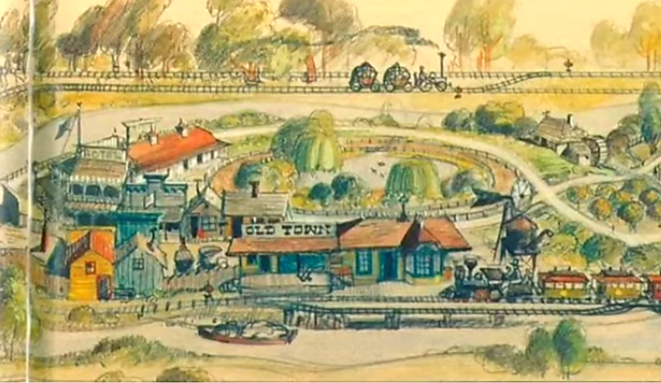 On the outskirts of Walt Disney Studios is the original location for Disneyland, home of the Mickey Mouse park. There's a neighborhood that's been built around it, industry and highway 5 but somehow this land has stayed open. It's amazing because everything else has grown up here but this idea represents the beginning of Disneyland. 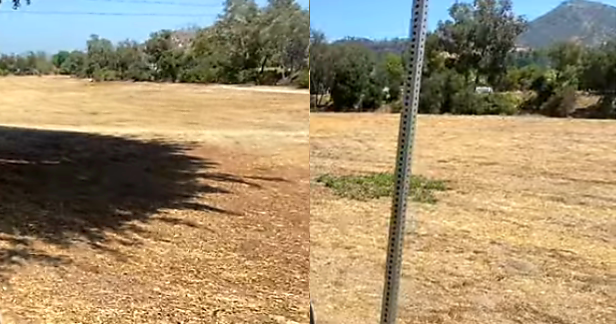 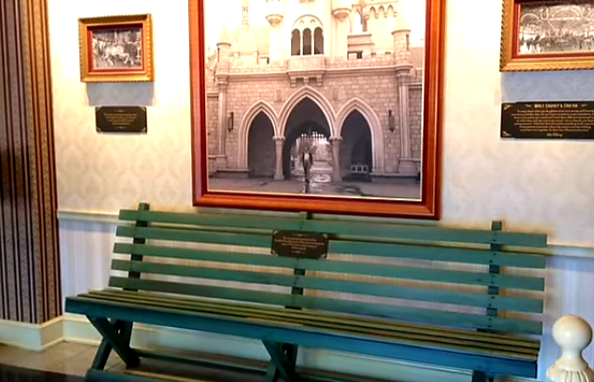 Up and over there is Griffith Park where Disney fans know the story of Walt watching his daughters on the carousel thinking there's got to be a better way. A way where we can do this for everyone in the family to have a good time. This land was that idea. An original, smaller, more charming intimate park meets amusement park setting. Some of the early principles of this park would carry over to our beloved Disneyland because it wasn't the idea that was bad, it was a problem with this land. Walt like every other creative understands that sometimes the fun and creativity is the challenge. After mastering animation and making full length featured films, Walt kind of got bored. Walt was an entertainer and in his entertainer's mind he was envisioning a new form of family entertainment.  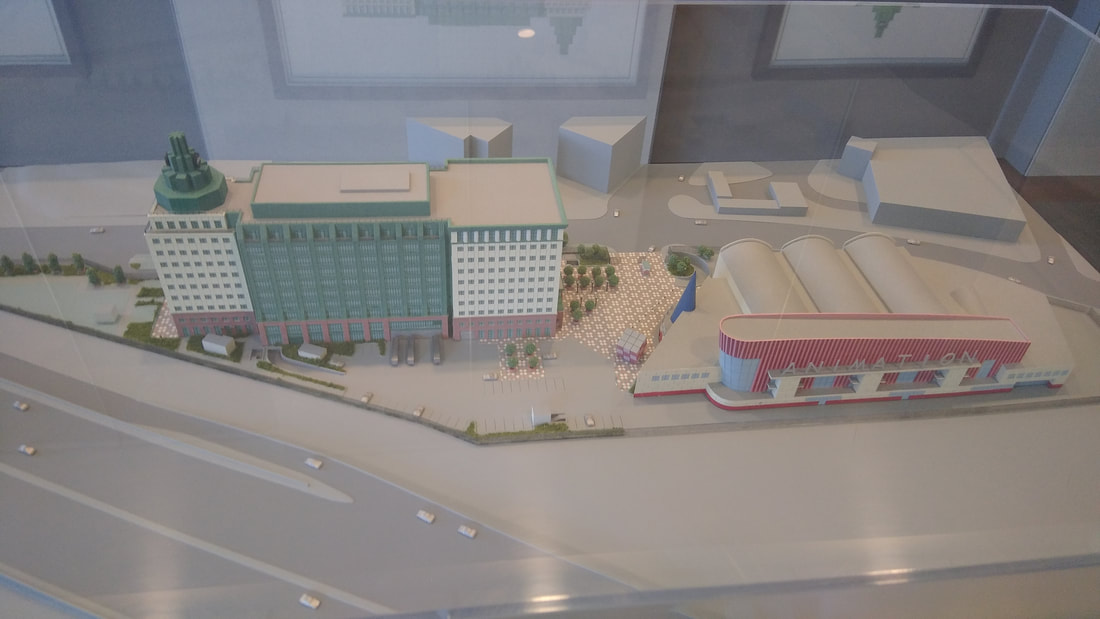 When the Disney Company started to take off they purchased over 50 acres in Burbank which is now the home to the animation studio, Walt Disney Studios, ABC, and Hollywood Records. But it was this land where Walt loved his customers. His two greatest skill sets was storytelling and connection to his audience. Often people asked about a movie studio tour on the studio lot, where people could come to the studio, see where the magic is made and meet Mickey Mouse. 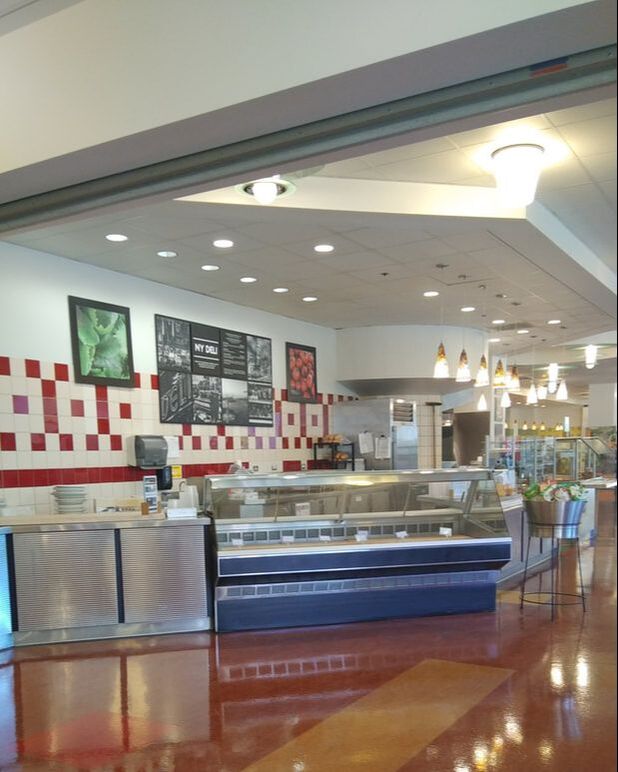 Just outside this cafeteria door is the view of the plot of land we're discussing today. My tour guide Louis took me through this part of the Animation building and told me about the dream Walt had for building Mickey Mouse park. But the city of Burbank did not want this to happen. 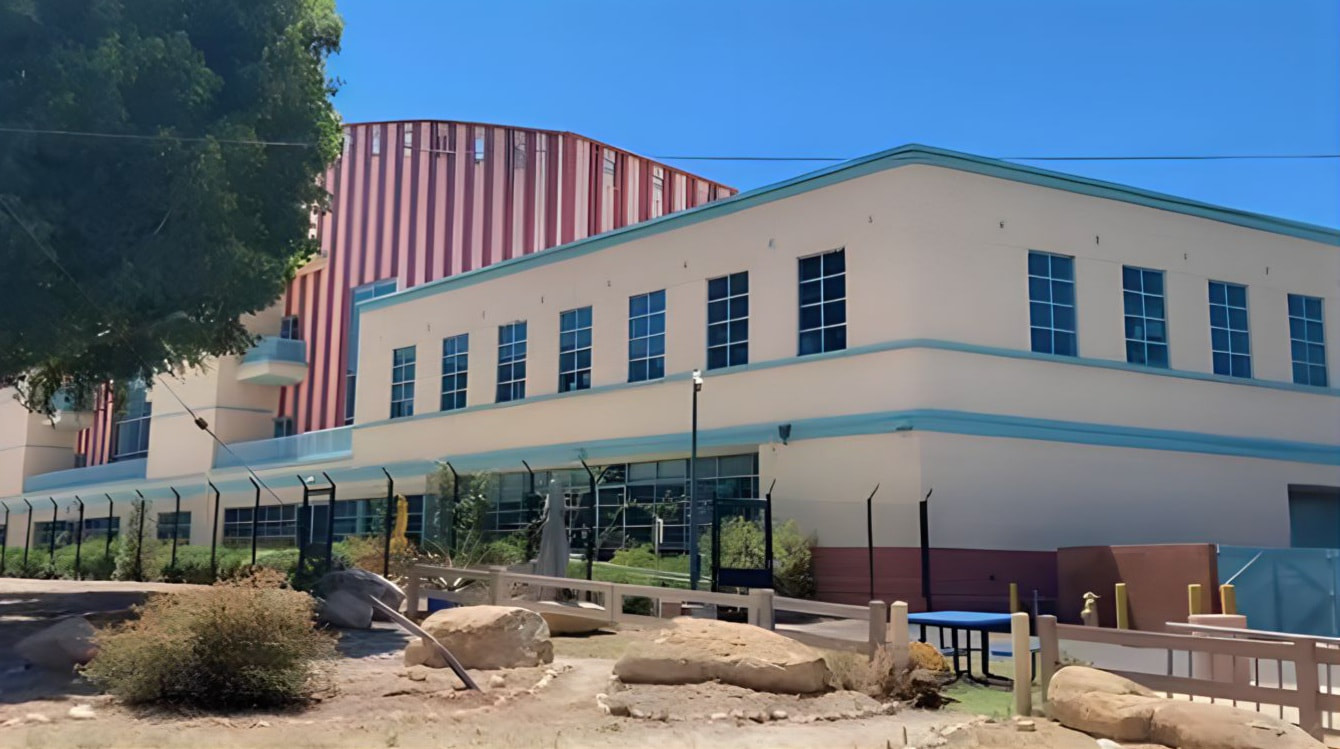 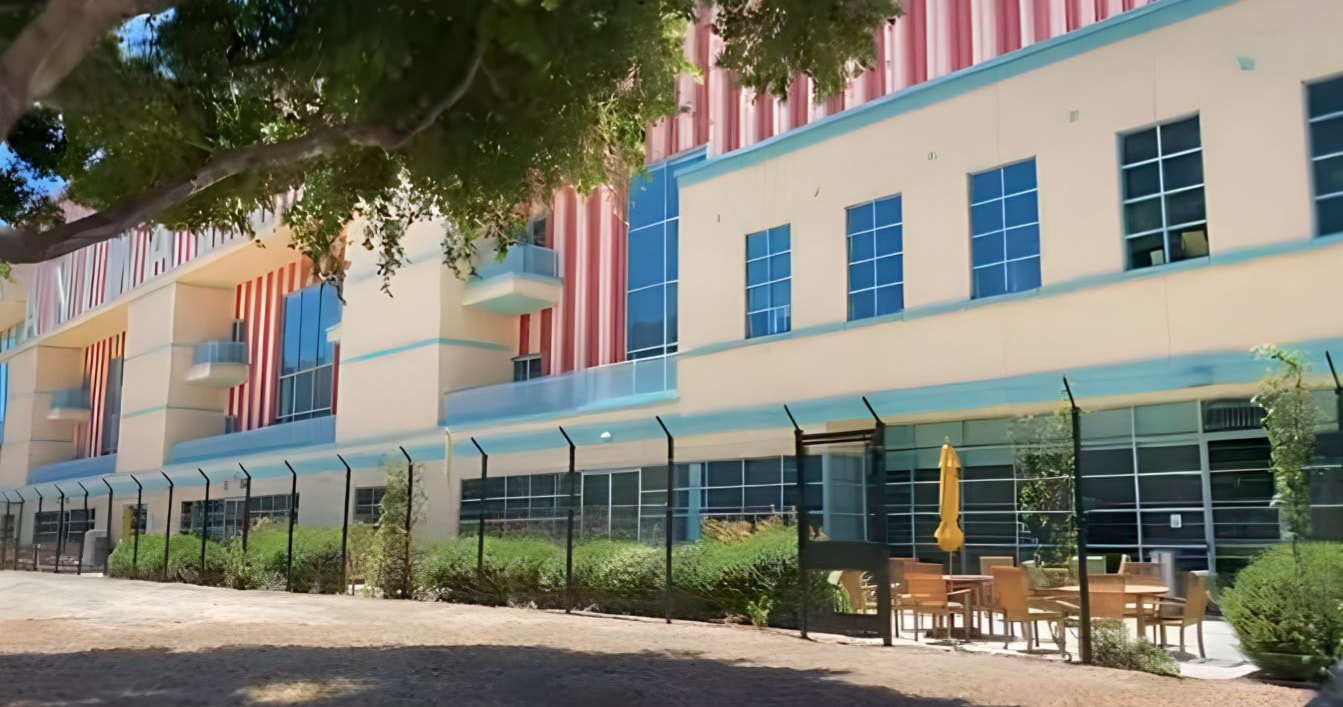 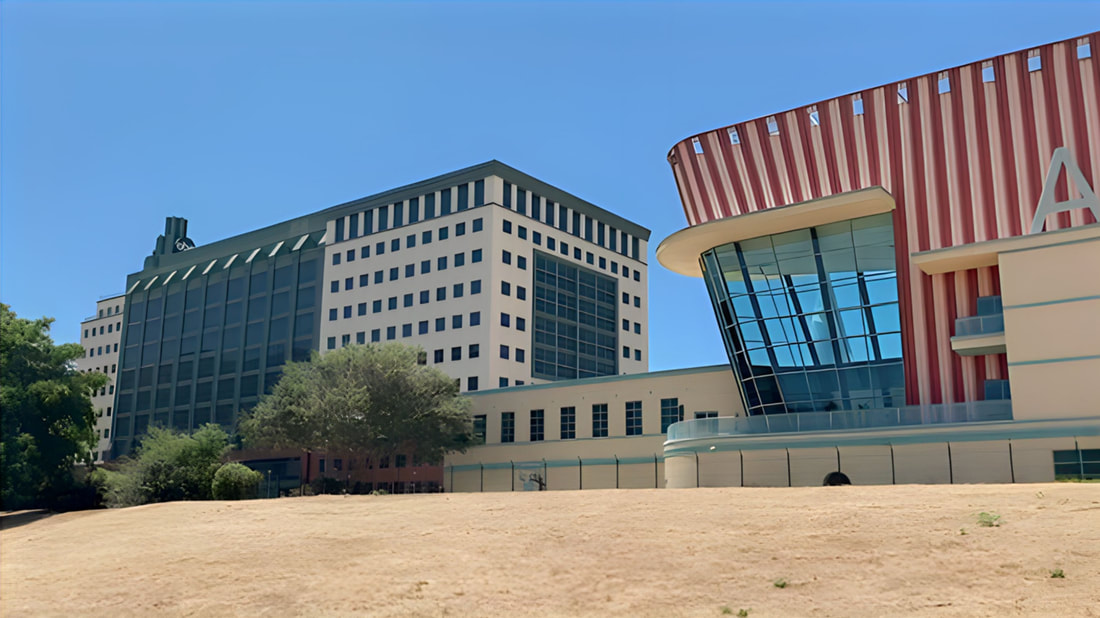 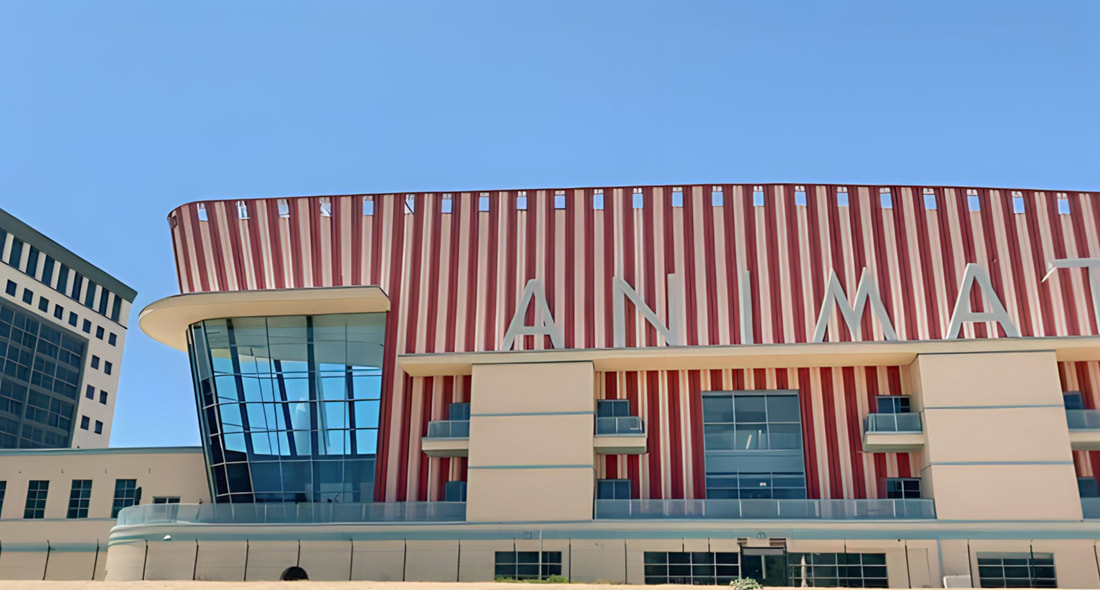 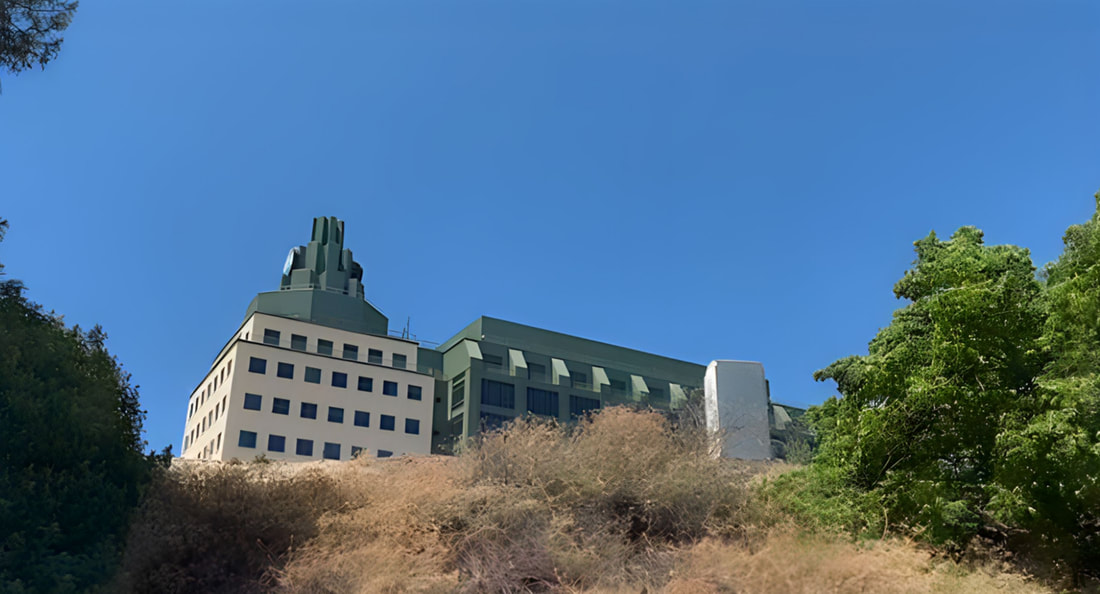 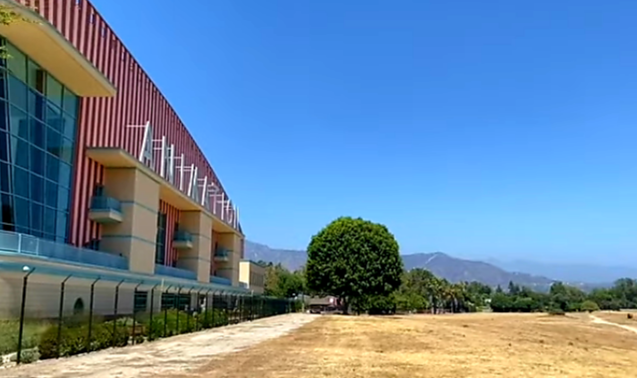 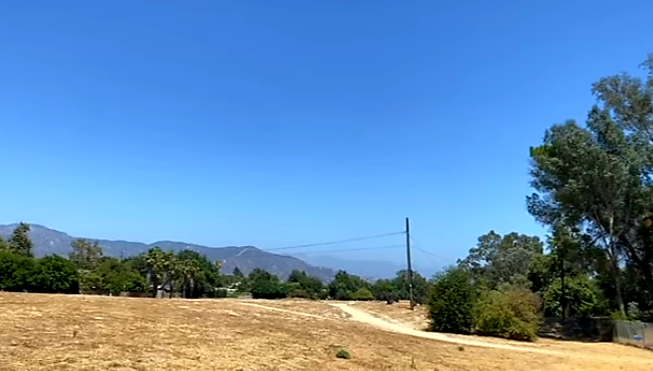 You would come into the park from this direction and go through a carnival area, it had a hub, an attraction that looked like Rivers of America with a steam ship from Missouri going around it, a native American village and a lot of the things that we got at Disneyland. (Please refer to the maps above) What they could have done here would have been pretty impressive, there was going to be a train on the outskirts, a boat ride, a Main Street USA, and a doll hospital. Walt had so many ideas on how he was going to make a park different than everyone else's. So he researched and brought talent in to do the parts he couldn't. 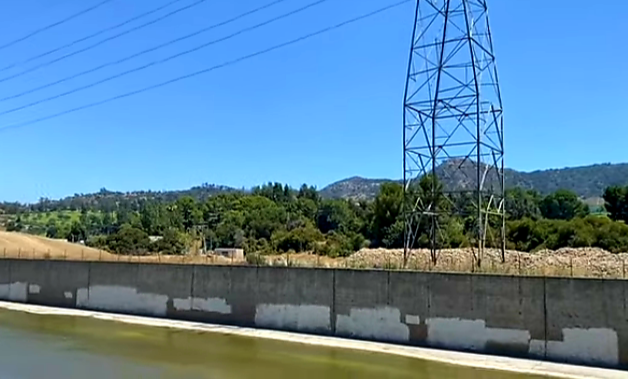 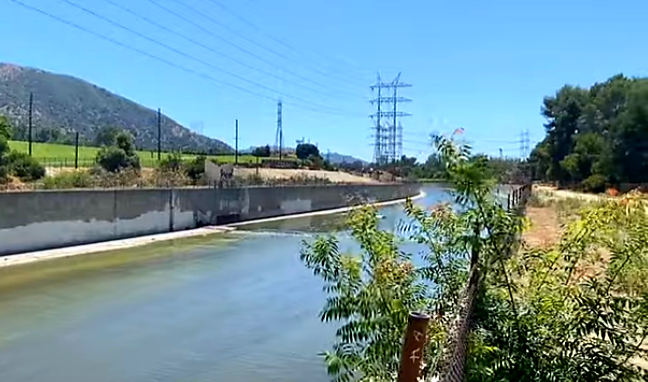 The L.A. River was one of the excuses why the city of Burbank said no. They were worried that people at the park would want to jump into the L.A. River. Would the park have been the same if it was in Burbank on the back side of the Hollywood Hills? Imagine the traffic congestion trying to get in and out of the area! Especially in the middle of Burbank's July weather! 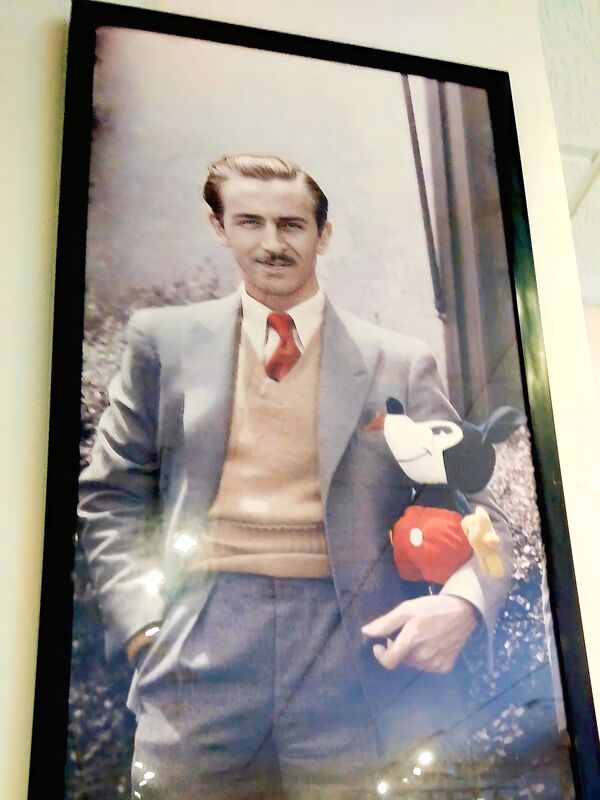 Walt would comb every amusement park that he could find both around the country and in parts of Europe to see what other people were doing. To see how he could improve the experience. He wanted his park to be clean and not a carnival carny type atmosphere. He was so focused on a clean family-friendly environment. Something that felt like reality and could play into his nostalgia for his childhood and for America, which it was built upon. A place where everyone could feel young at heart regardless of their age. A perfect place where everybody is a bit more on their best behavior. The efficiency of Disneyland, the charm of how it really feels like a living breathing city, is possibly the most magical of all of the parks. It was the one that Walt built. It was the only one that Walt would ever live out his vision and dream. I'd like to think he would be happy to know that Disneyland did evolve not only into an amusement park but into a real perfect little town.  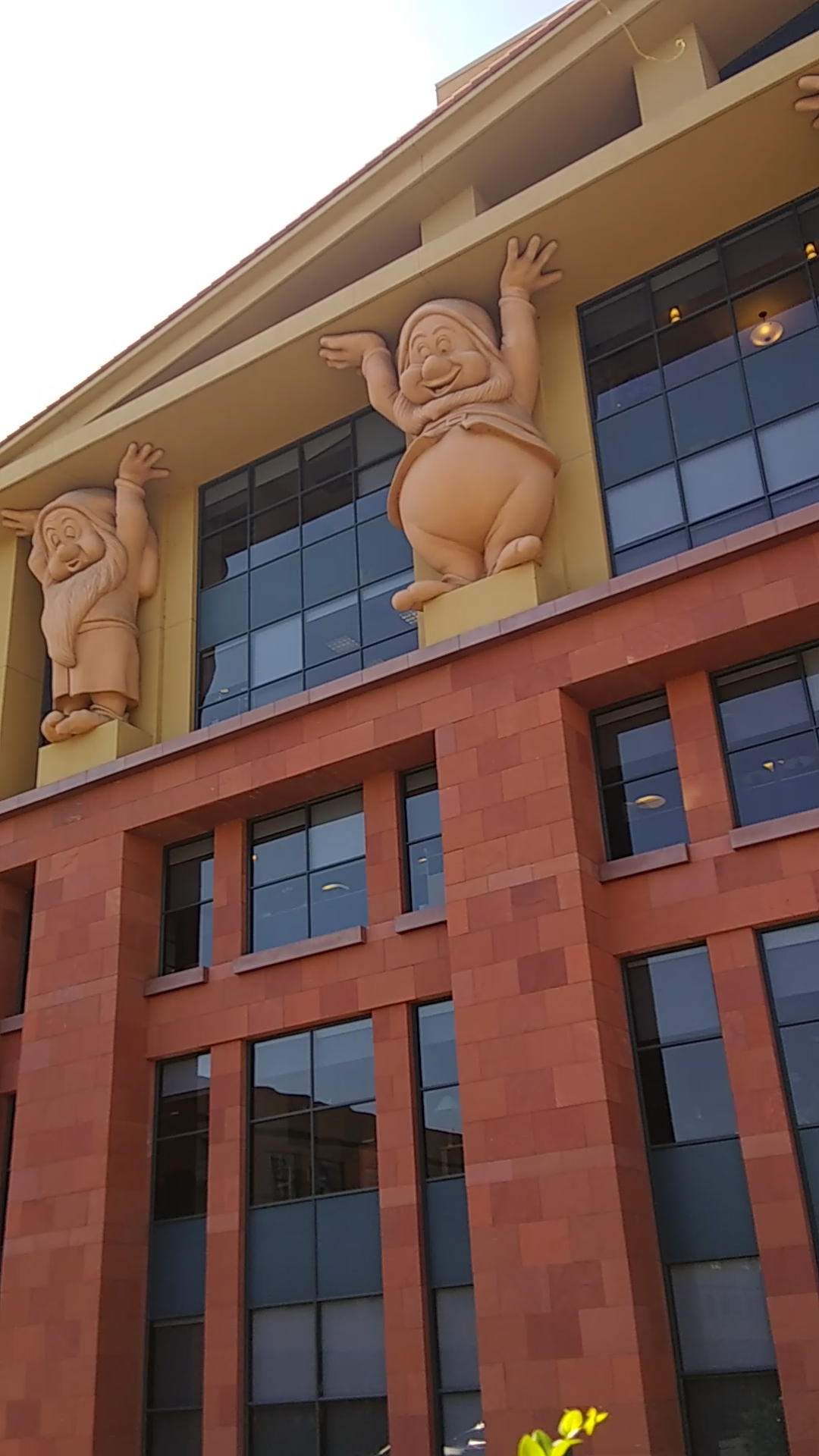 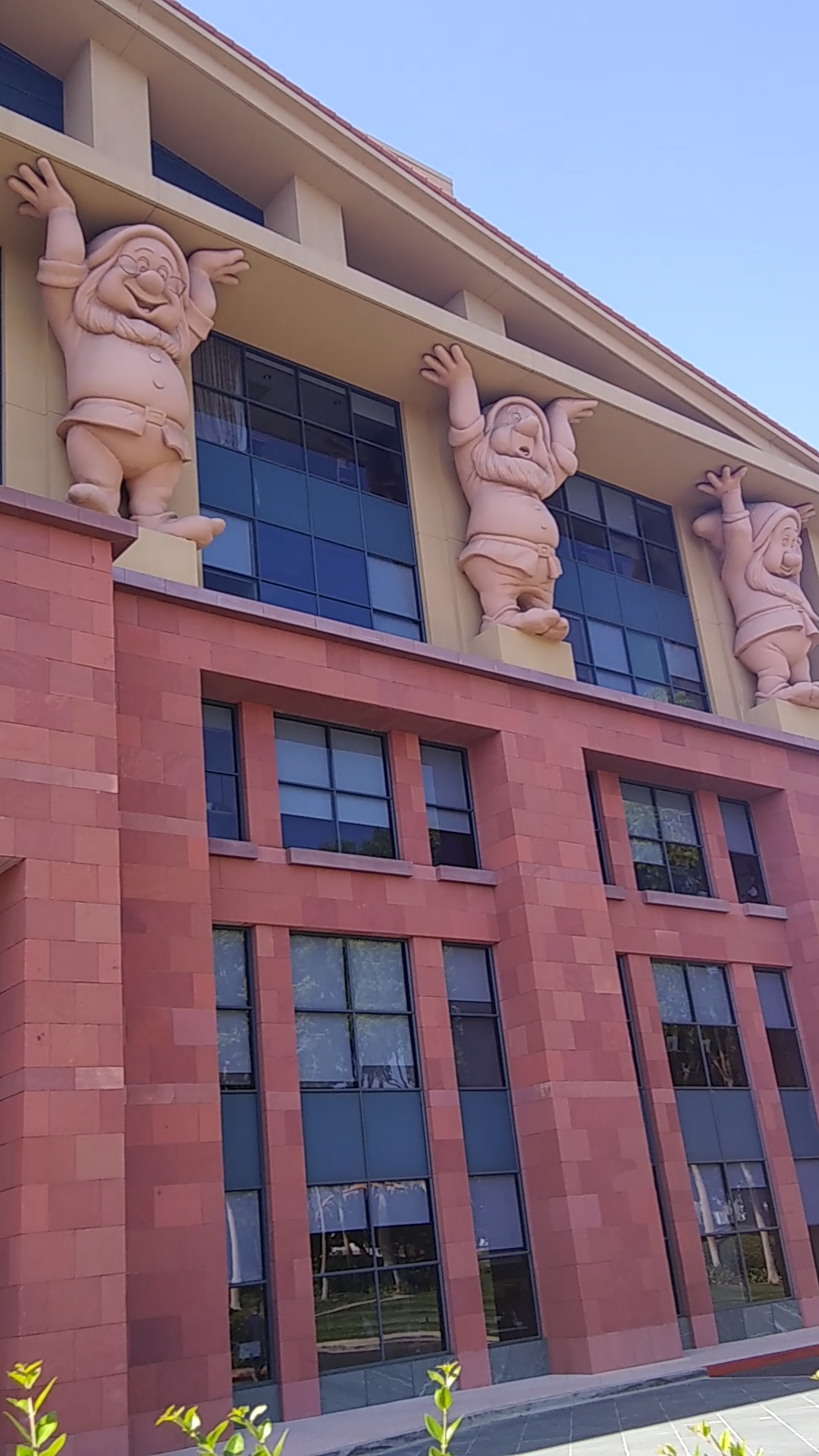 The Team Disney structure is sometimes called the "Seven Dwarfs Building". It has large sculpted caryatids of the Seven Dwarfs holding up the roof of the eastern façade, an homage to the animated film Snow White and the Seven Dwarfs, which provided Walt Disney with the revenue to purchase the Burbank lot. Each statue is 19 feet tall, with the exception of the 2/3-sized Dopey at top. On January 23, 2006, in honor of Michael Eisner's 21-year leadership of the company, the Team Disney building was rededicated as Team Disney – The Michael D. Eisner Building. Office to Bob Iger. 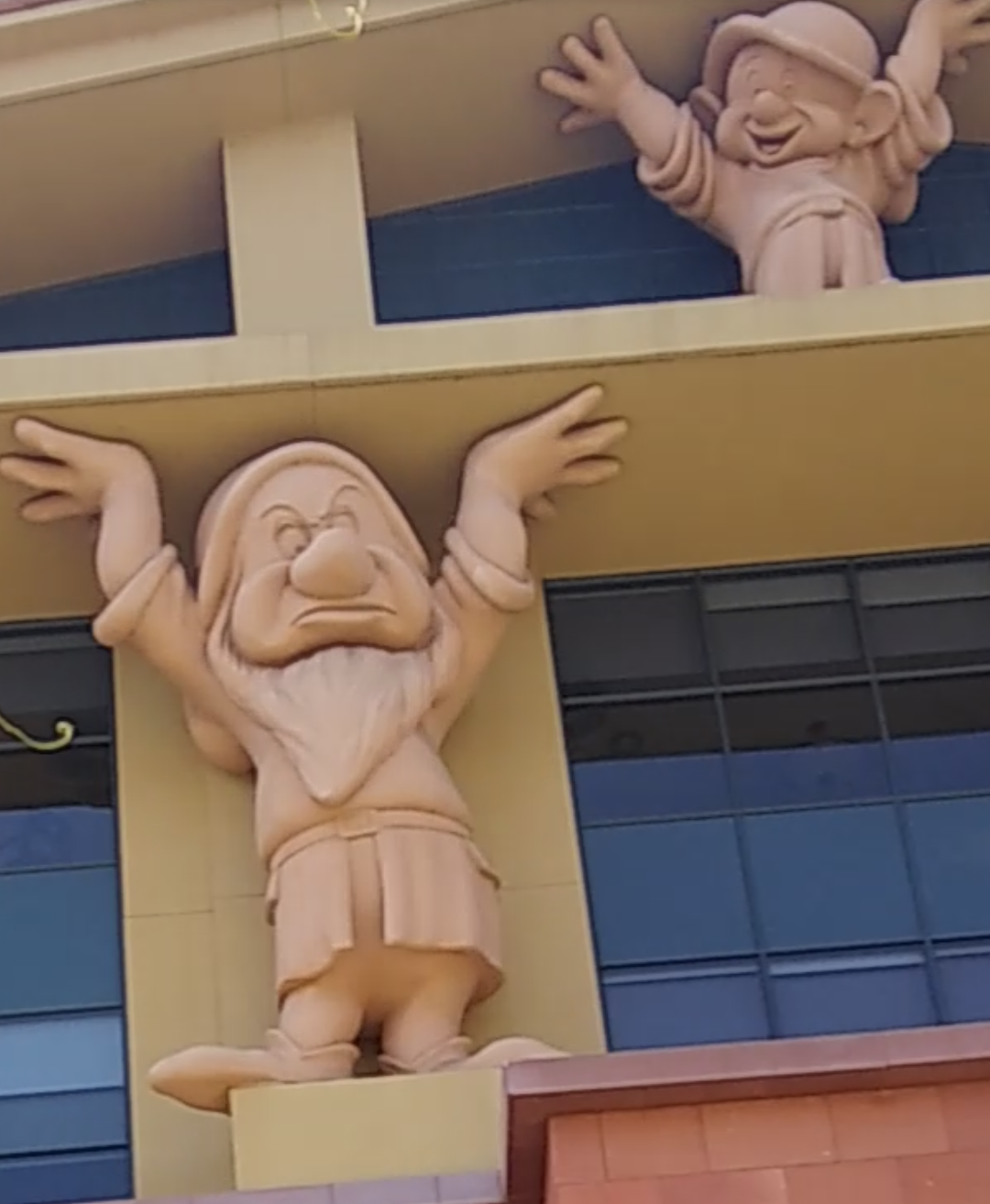 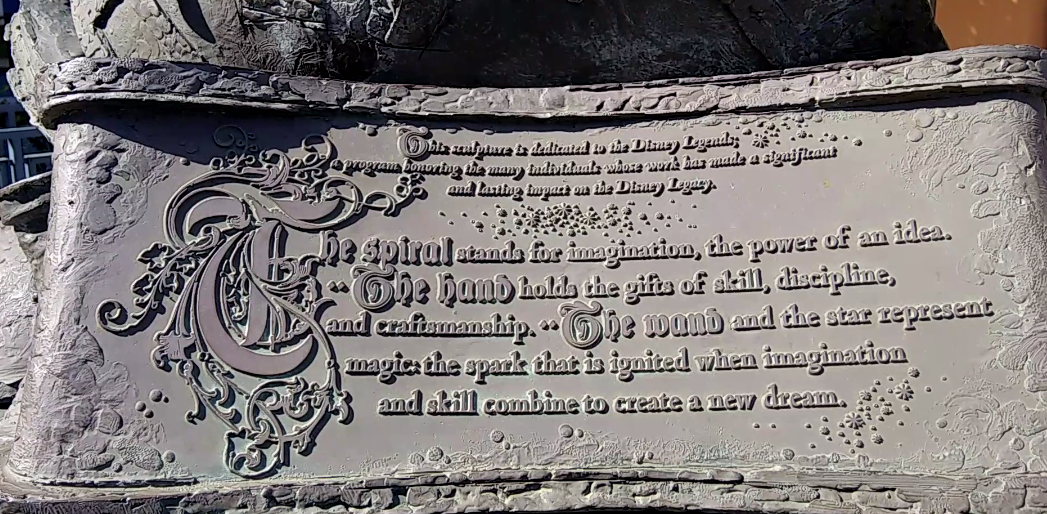 Close-up of the Disney Legends Statue. 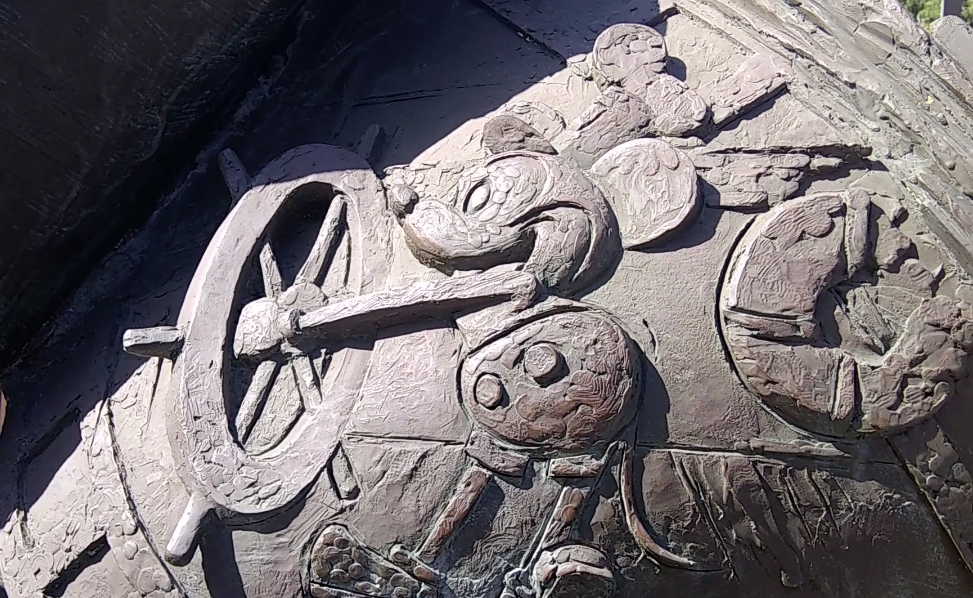 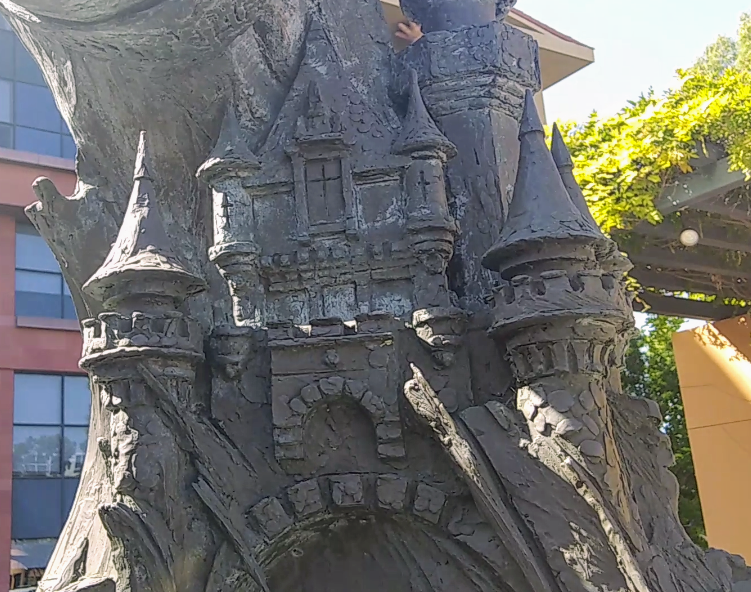 Let's take a close look at the statues of Walt and Roy, his brother. They are found at the Walt Disney Studios. I had the honor of visiting the studio and was thrilled to see these statues in person. 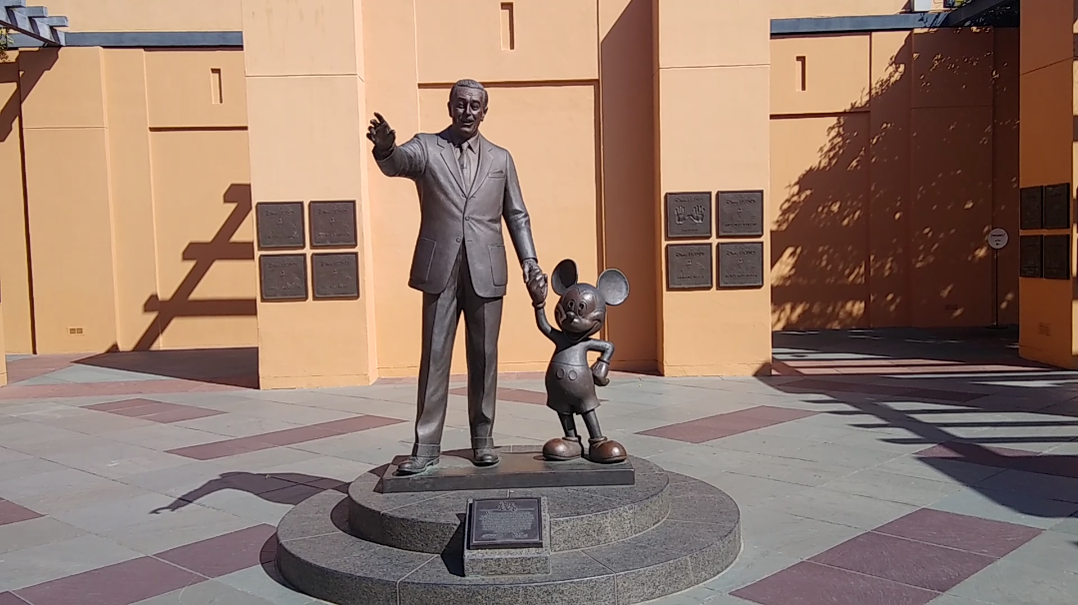 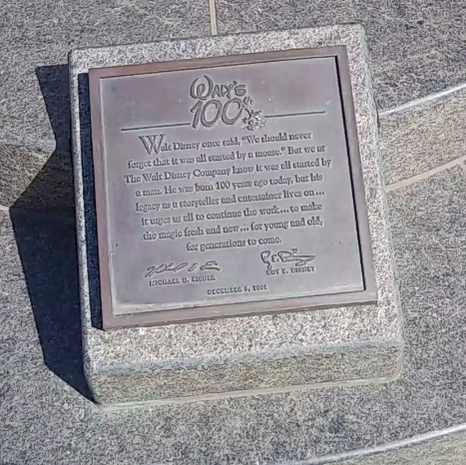 The statue was created in honor of Walt's 100th birthday: December 5, 2001 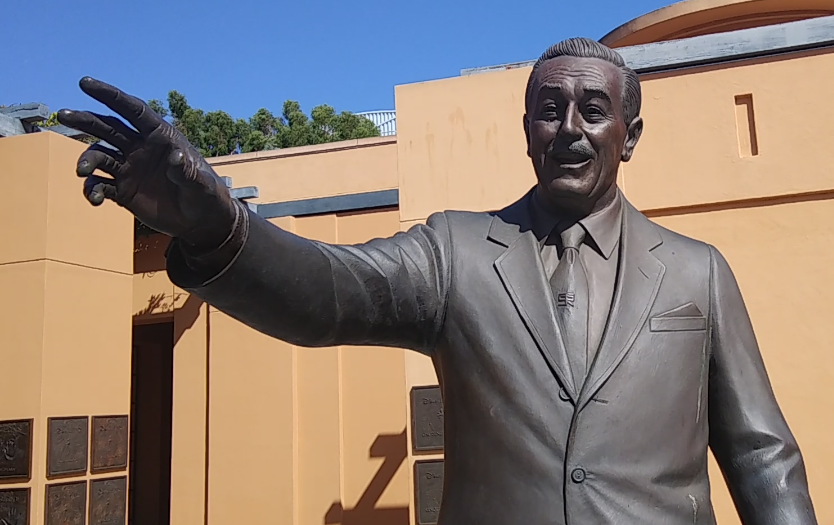 Dedicated on October 18, 1998, the plaza features the Partners statue of Walt Disney and Mickey Mouse. This statue is the same found in Disneyland park's central hub just in front of Sleeping Beauty Castle. 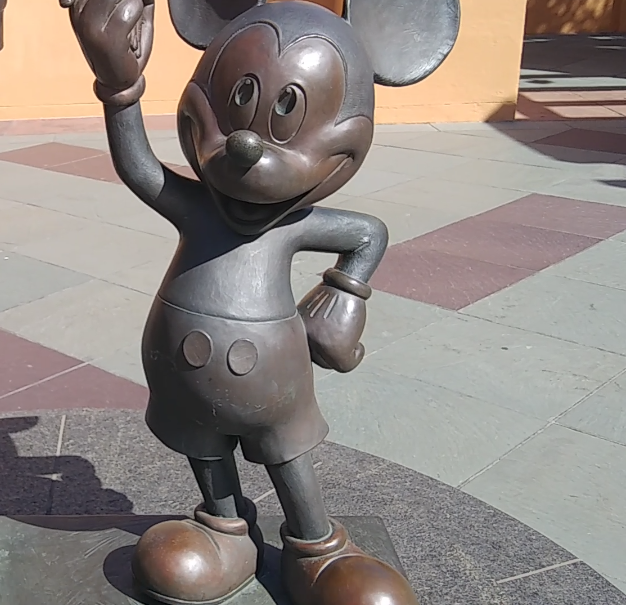 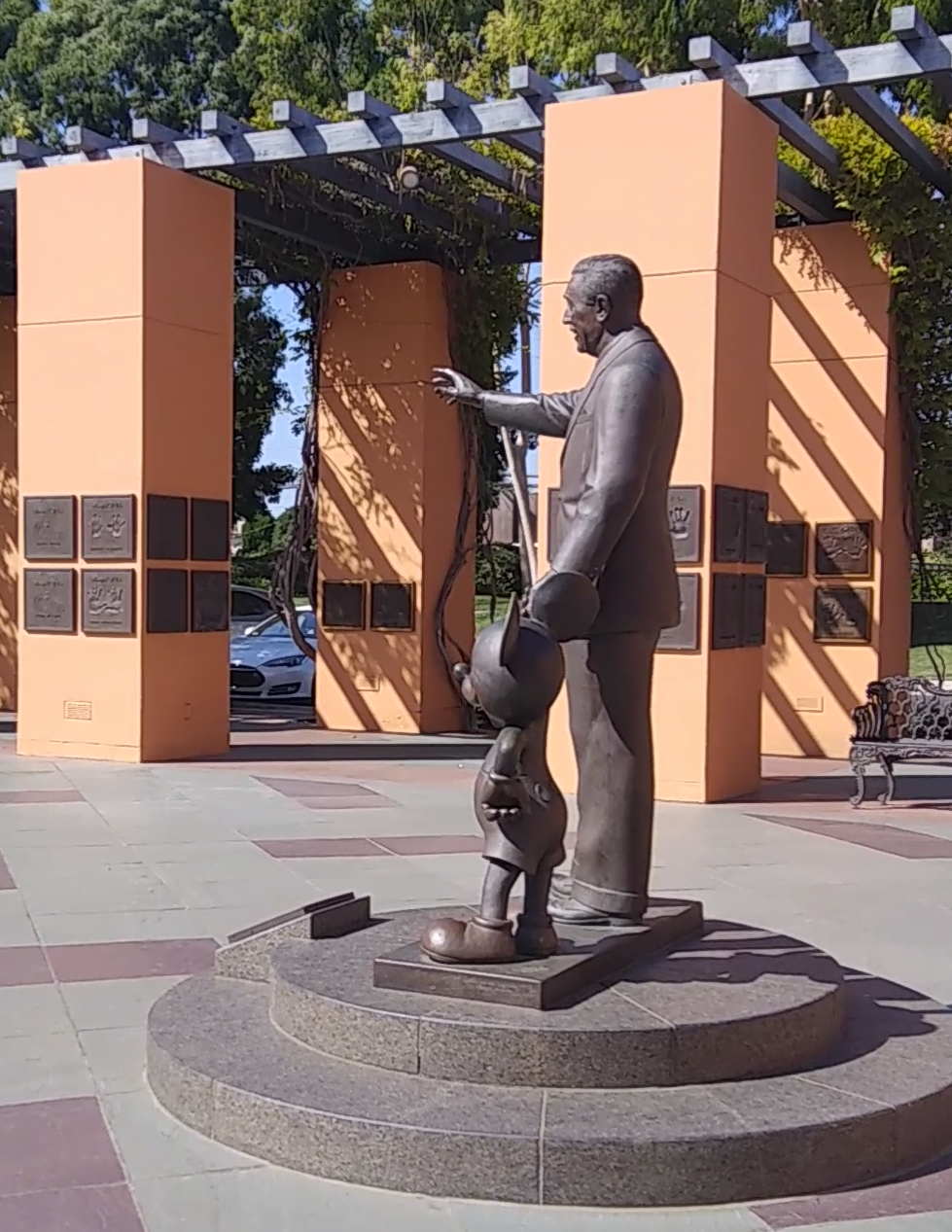 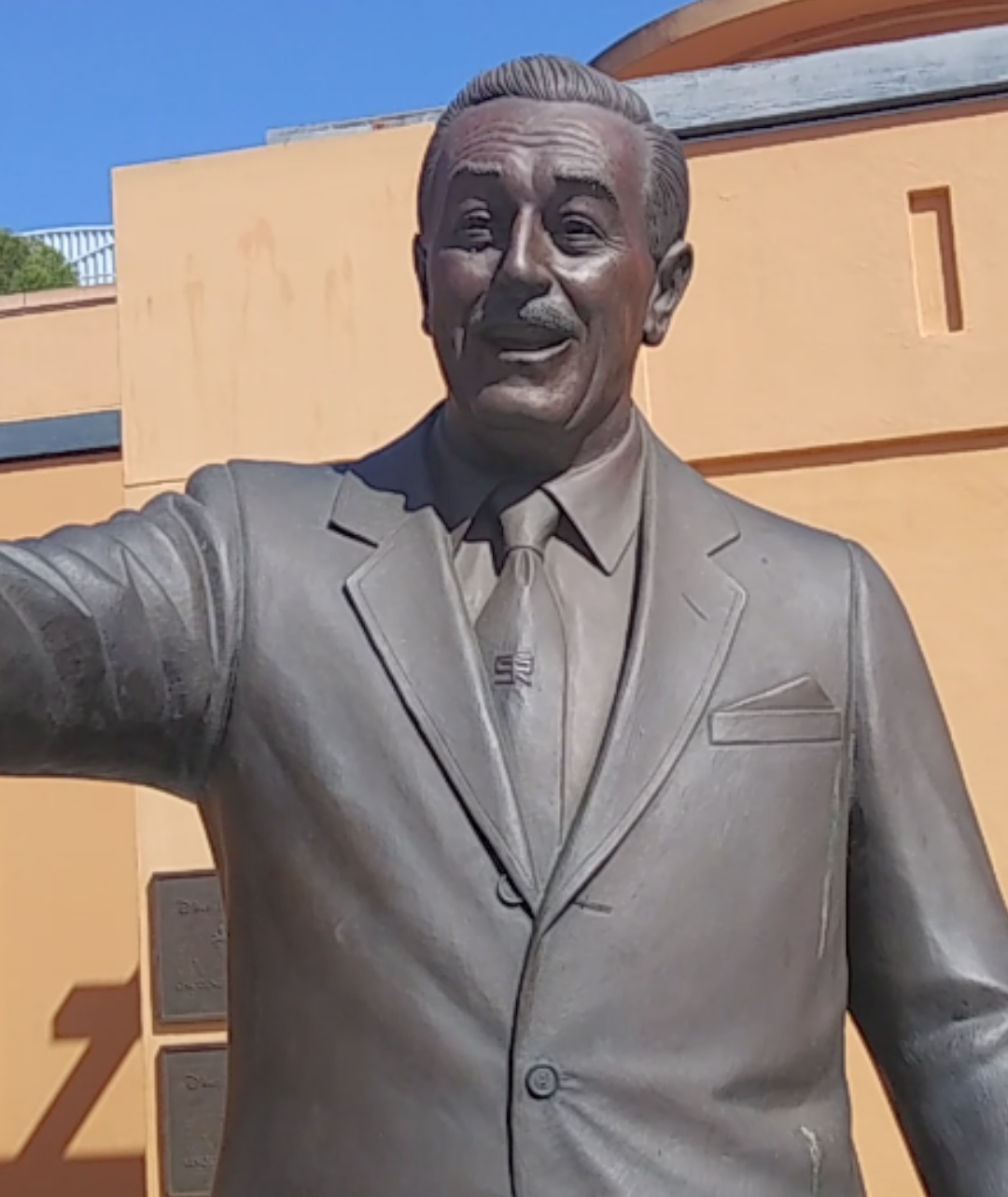 Interesting feature: the initials on Walt's tie are STR, and stand for Smoke Tree Ranch. An area in Palm Springs, CA where Walt owned a vacation home. 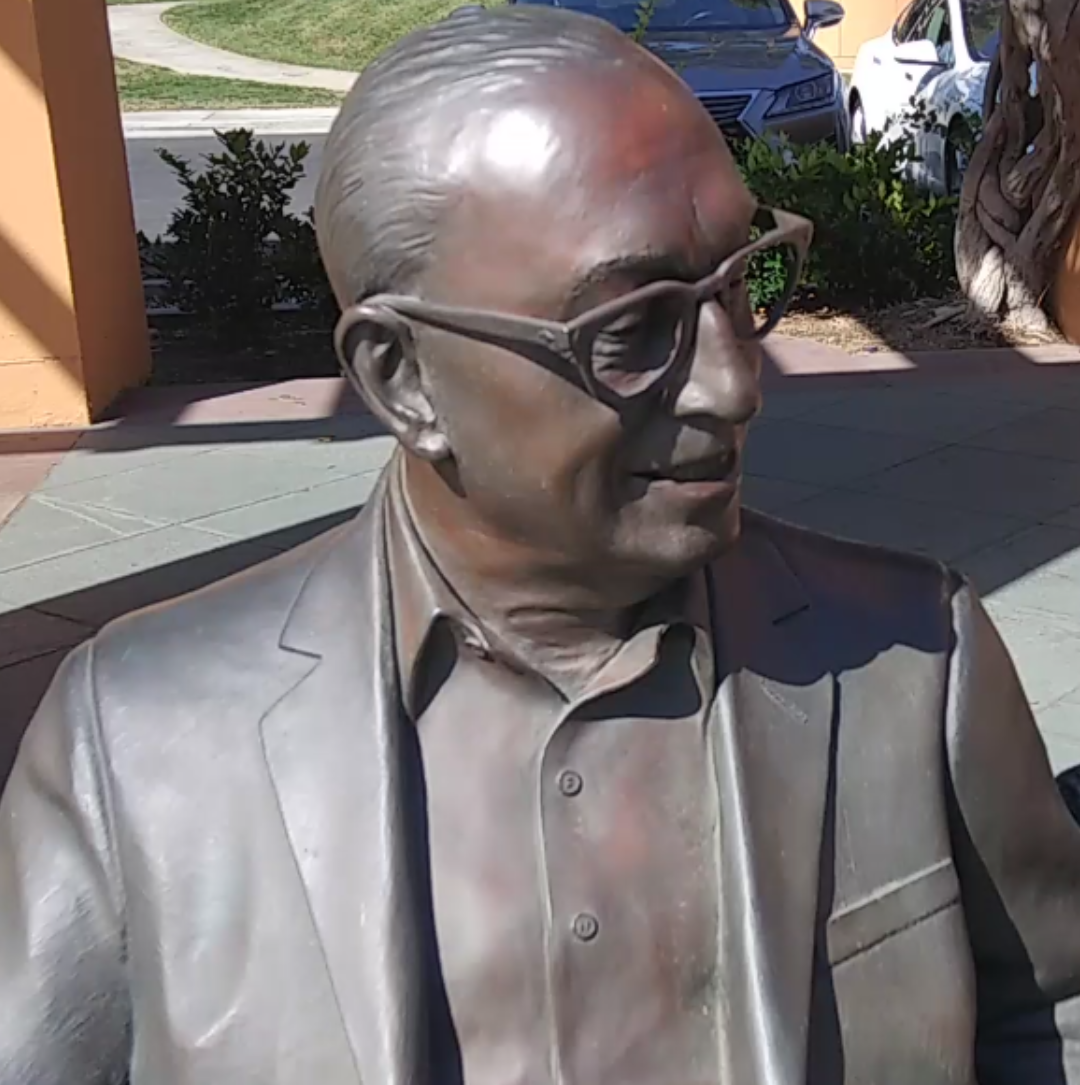 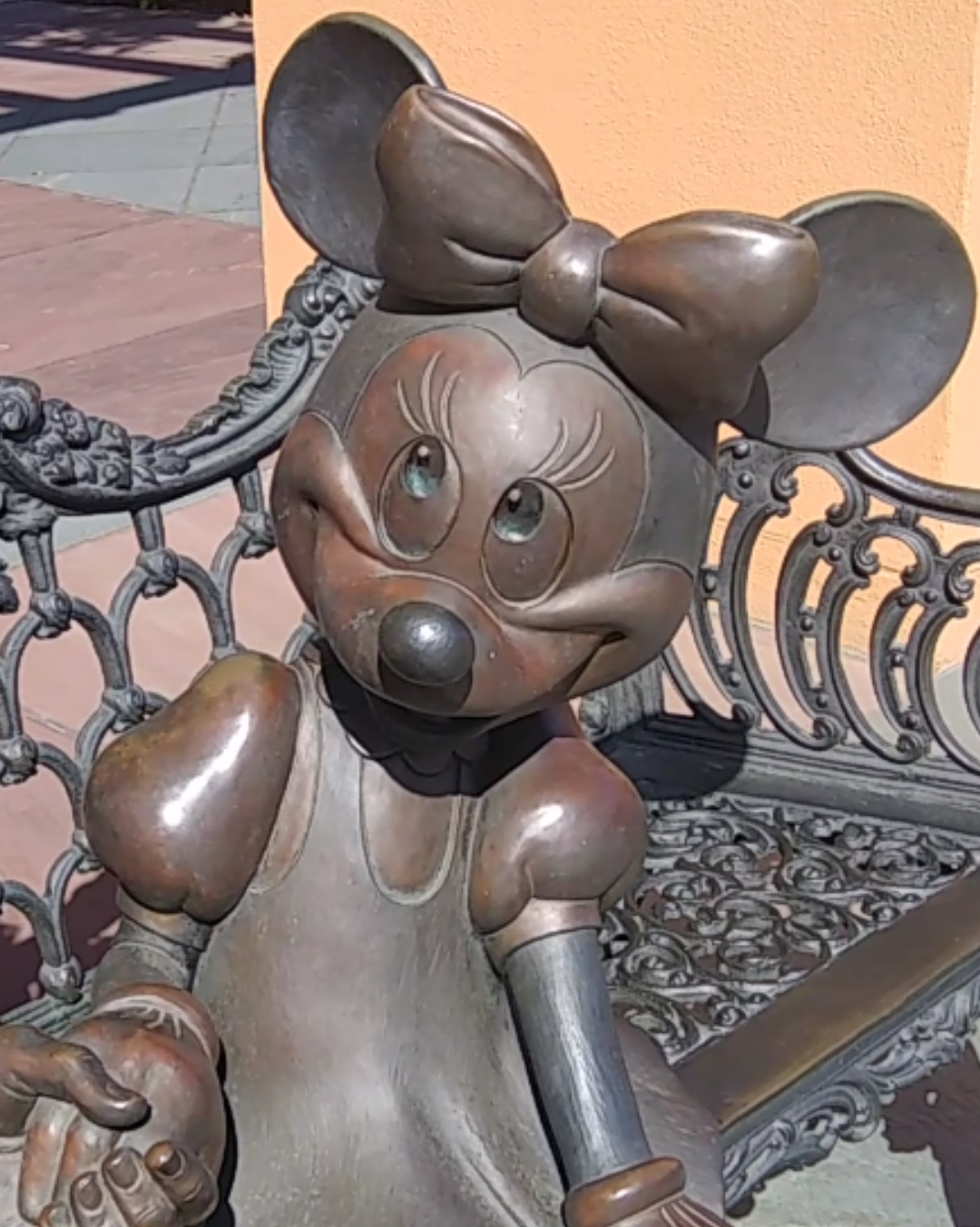 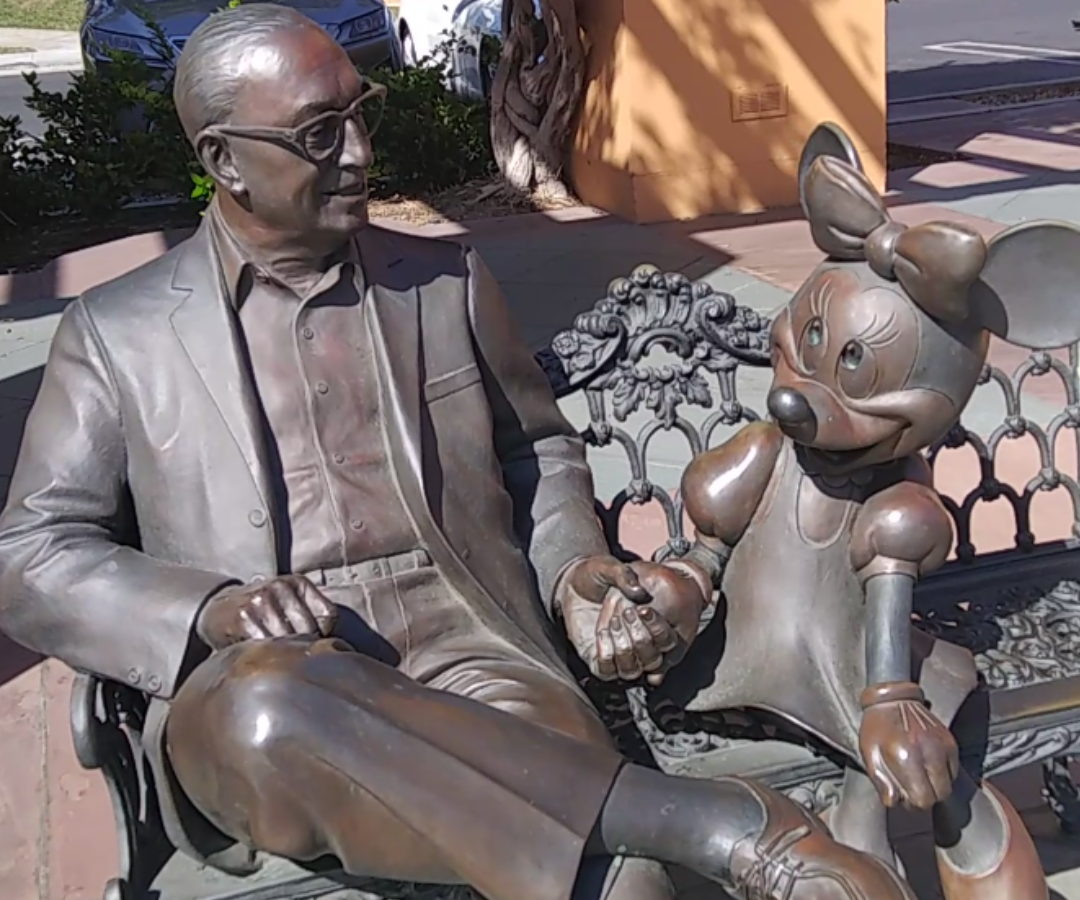 In the Disney Legends Plaza is the statue of Roy O. Disney and Minnie Mouse, designed by Imagineer Blaine Gibson. It is the same statue found at the Magic Kingdom park in Florida.
WATCH THIS VIDEO FOOTAGE OF THE STATUES 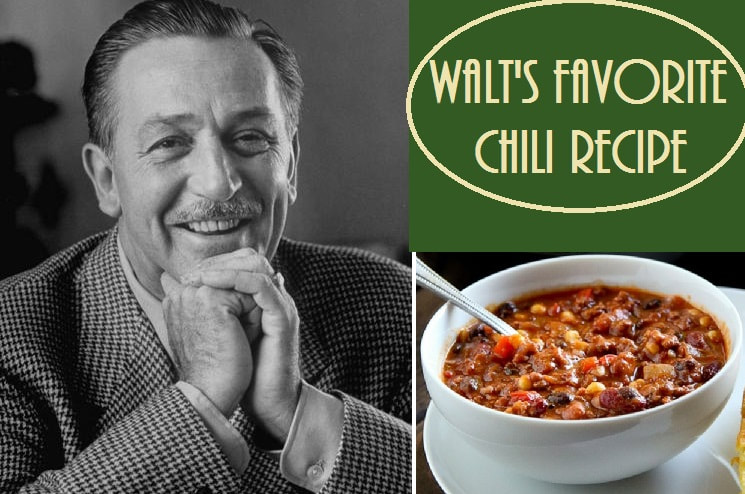 The following recipe is from the Walt Disney archives. I personally had a delicious bowl of Walt's favorite chili during my visit to the Walt Disney Studios, Burbank. Now you can make it in your own kitchen at home. Ingredients Chili 2 lbs. coarse ground beef 2 onions, sliced 2 cloves garlic 1⁄2 cup oil 1 cup chopped celery 1 tsp. chili powder (depending on taste) 1 tsp. paprika 1 tsp. dry mustard 1 large can solid pack tomatoes 2 lbs. dry pink beans Salt For Extra Zest Add a pinch of the following spices: 1 little yellow Mexican chili pepper Coriander seeds Turmeric Chili seeds Cumin seeds Fennel seeds Cloves Cinnamon Dry ginger 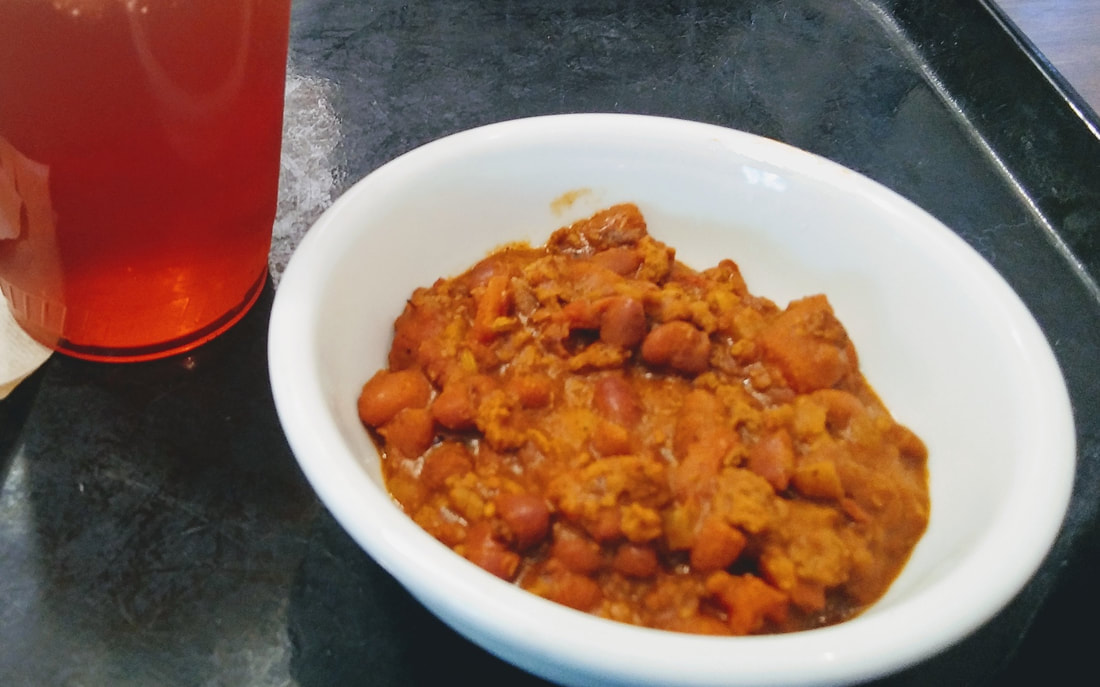 Preparation
Soak beans overnight in cold water. Drain, add water to cover (2 inches over beans), and simmer with onions until tender (about 4 hours). Meanwhile, prepare sauce by browning meat and minced garlic in oil. Add remaining ingredients, and simmer for 1 hour. When beans are tender, add sauce to beans and simmer for 1⁄2 hour. Serves 6 to 8. |

Categories
All
Archives
July 2024
|
 RSS Feed